Get Full Government Meeting Transcripts, Videos, & Alerts Forever!
Get email alerts on the Community Resource Centers topic
No spam. Unsubscribe anytime.
West Valley council debates tying up three buildings for community resource centers amid cost and coverage concerns
Summary
Council members discussed a proposed two‑year lease-to-purchase for three buildings intended as community resource centers under the 'Hometown' program, weighing a favorable purchase price against long-term operating costs, duplication of services, and whether locations are appropriately distributed across the city.
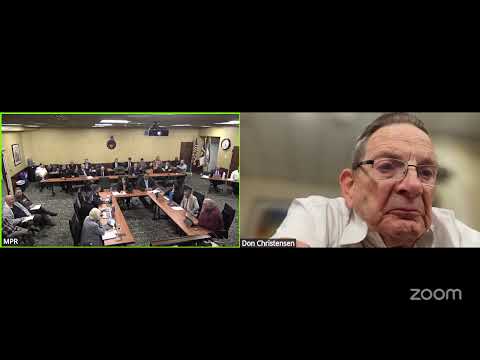
West Valley City officials spent the bulk of their Oct. 28 study meeting debating whether to tie up three properties proposed to become community resource centers (CRCs) under the city’s Hometown initiative.
Supporters said the lease-to-purchase structure — described by staff as a two‑year test with a modest earnest-money deposit — represented an uncommon opportunity to secure building equity at a below‑market price and quickly expand CRC programming. “When you add up the value of each of those, you say $6 million and we’re getting it for seven and a half,” a council member said in support of holding the properties while the city evaluates operations.
Opponents and cautious colleagues pushed back on multiple fronts: the proximity of two proposed sites (the Lighthouse and the White Hall building are less than a mile apart), uncertain ongoing maintenance and staffing costs, potential need to hire additional full‑time staff to operate expanded programming, and the long horizon of a permanent purchase. “Do we need three of them 10 years from now, and do we need them this close together?” a council member asked, urging staff to clarify operational cost estimates before committing.
Staff said the two‑year lease structure was intended to limit long‑term commitment while preserving an option to purchase; they also noted the deal was attractive based on current real‑estate comparables. Nicole (city staff) explained an addendum to the Hometown cooperation agreement would transfer responsibility for properties leased or purchased by the city and that any excluded buildings could be specified in the motion.
Council members repeatedly returned to questions about service coverage across the city’s east and west sides and possible alternatives such as leasing underused school buildings. “We don’t have anything on the west and really not much on the east,” one member said, advocating a more even geographic distribution of services. Others highlighted volunteer engagement with existing CRC operations and juvenile‑crime research that showed local declines coincident with program activity.
No final purchase vote was taken during the study meeting; staff said the two‑year lease approach was intended to provide operational data and fiscal estimates before any binding purchase decision. The council directed staff to provide more detailed maintenance and operating projections, confirm any deed or lease restrictions during the option period, and identify alternative facility partners (including school district options) before the item returns for formal action.