Get Full Government Meeting Transcripts, Videos, & Alerts Forever!
Get email alerts on the Archives Digitization topic
No spam. Unsubscribe anytime.
Records commissioner backs Ancestry concession to digitize 20 million historical records at no cost to taxpayers
Summary
James Leonard, Philadelphia’s records commissioner, told council bill 251066 would authorize a concession with Ancestry.com to digitize and index roughly 20 million genealogical records at no taxpayer cost, with free access provided at the archives, City Hall, and 50 library branches; the city would retain ownership of the digital images.
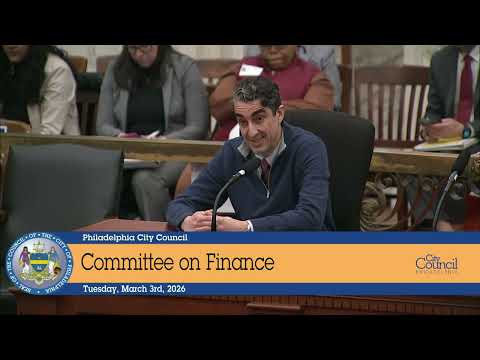
James Leonard, Commissioner of the Department of Records, presented bill 251066 to the finance committee, which would authorize a multi‑year concession agreement with Ancestry.com to digitize, index and host the city’s genealogical and archival collection (approximately 20 million historical records, including vital records, naturalizations and property records).
Leonard said the digitization would be performed and funded by Ancestry at no cost to taxpayers, would take about two years to complete, and would provide free public access to the city’s digital collection at the city archives, City Hall points of access and more than 50 public library branches across all 10 council districts. He also said every public middle and high school would receive access through Ancestry Classroom for educational use. The concession would include a 10‑year base term with options to renew; Leonard told the committee this term structure allows the private partner to recoup scanning/indexing investment while the city retains control over renewal decisions and legal protections for the original documents.
On records handling, Leonard said the irreplaceable documents would travel to Ancestry’s Utah facilities for scanning and indexing under contractual protections and that the city would retain ownership of the images and receive them back if the city declined renewal. Leonard described examples of historically significant records included in the collection and said the partnership follows an established model used by many state and local archives.
Council members raised questions about priority items for near‑term public access (for the semiquincentennial) and how residents without home subscriptions would access records; Leonard said free access would be available at library branches and the archives and that Ancestry Classroom access would be provided to schools. The committee reported bill 251066 favorably by voice vote and requested suspension of rules to permit first reading at the next council session.