Get Full Government Meeting Transcripts, Videos, & Alerts Forever!
Get email alerts on the Public Health Substance Use topic
No spam. Unsubscribe anytime.
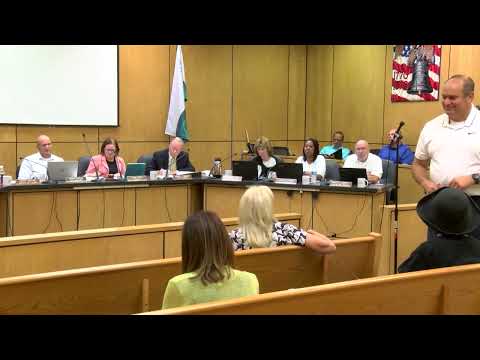
Mount Clemens approves opioid-settlement funding for street-outreach program
Summary
The commission approved allocation of the city’s 2023 opioid settlement funds to Families Against Narcotics (FAN) to fund Harmless street outreach — a harm-reduction initiative that includes testing, wound care and warm handoffs to housing and treatment partners, representatives said.
The Mount Clemens City Commission voted to allocate the city’s 2023 portion of opioid settlement funds to Families Against Narcotics (FAN) to support the organization’s Harmless street-outreach program.
Judge Linda Davis, representing FAN, described the program’s outreach work, saying it provides HIV and hepatitis C testing, wound care arranged through McLaren Hospital, peer and family recovery coaching, diversion and deflection programs, and connections to housing and treatment. "It is a program that takes some time to build trust," Davis said, noting staff will begin outreach in Mount Clemens with a half-day-per-week presence initially.
Davis said FAN does not require drug testing as a condition for providing services and emphasized a harm-reduction approach: "We don't withhold treatment or services for people based on their behavior," she said. She described partnering agencies and state funding that have supported similar work in other communities.
City administration recommended the appropriation to deliver services to unhoused and high-risk individuals in Mount Clemens. Commissioners voiced support during discussion and the roll-call vote approved the allocation.
The program’s stated goals are to build trust in the community, provide immediate health services and connect people to longer-term housing and treatment options. Officials said the outreach is intended to be persistent and relationship-focused rather than a one-time contact.