Get Full Government Meeting Transcripts, Videos, & Alerts Forever!
Get email alerts on the Local Budget Courts topic
No spam. Unsubscribe anytime.
Court officials tell Mount Clemens commission of $919,116 2024 shortfall; city’s share about $128,648
Summary
Officials for the 41B District Court told the Mount Clemens City Commission the court faces an estimated $919,116 shortfall in its 2024 budget, driven mainly by a drop in traffic-ticket revenue and debt-service on the court building; the city’s share was presented at about $128,648.
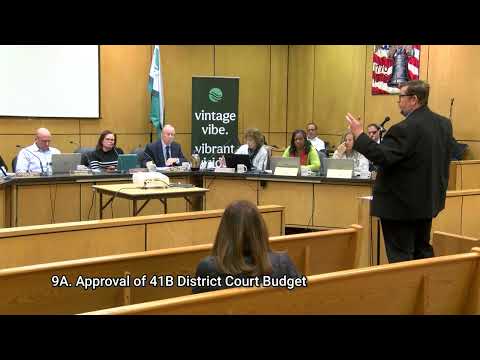
Mount Clemens — Court officials told the Mount Clemens City Commission on Nov. 8 that the 41B District Court faces a projected $919,116 shortfall for 2024 and will need contributions from its member communities to cover debt service and operations.
The court representative, identified in the meeting as Jim, said caseloads fell sharply beginning in 2020 and again in April 2022, a decline that reduced revenue by roughly $1.8 million and left the court dependent on contributions rather than relying solely on fines and fees. "The rug got pulled out from underneath us," Jim said, describing an abrupt drop in traffic-ticket receipts that historically funded a large portion of the court’s revenue.
Why it matters: The 41B District Court serves Mount Clemens, Clinton Township and Harrison Township under a consolidated agreement that allocates costs by a rolling five-year caseload average; Mount Clemens’ share of the caseload is about 14%, which the court used to calculate the city’s portion of the 2024 shortfall at roughly $128,648.
Court leaders told commissioners that a key driver of the revenue decline was fewer traffic citations, particularly in Clinton Township, where local policing priorities shifted away from traffic enforcement. The official also noted the court carries bonded debt for its building and that the next eight years include the largest annual debt-service payments, creating a multi-year budget pressure.
The speaker discussed broader structural questions about who should fund district courts. He said a case involving the constitutionality of the current funding mechanism reached the Michigan Supreme Court and that several justices expressed concern that the funding framework pushes local jurisdictions to generate revenue. The official said the court’s statutory funding mechanism includes a sunset provision that was scheduled to expire May 1, 2024, and that state-level legislative or administrative action could change which level of government assumes the costs.
On staffing and operations, the court official said pandemic-era reductions left the court "at bare-bone staffing," with ongoing turnover as clerks accept higher pay in neighboring jurisdictions. He described the court as a leader in remote dockets and statewide e-filing rollouts, and said those efficiencies help but do not eliminate personnel needs. He also noted a union contract will raise wages by 2.5% next year, increasing the budget’s labor line.
What commissioners asked: Elected officials pressed for explanations of the caseload decline, the composition of the shortfall and whether state-level solutions were imminent. The court representative said no draft statute had been finalized and urged local officials to watch legislative developments and contact legislators about which years would be used if state funding changes were enacted.
Next steps: The court offered to provide follow-up briefings for commissioners who wanted more detail on operations, staffing and the funding formula. The transcript of the meeting does not record a formal final vote on the court’s proposed 2024 budget in the provided segments; the matter appears to remain subject to follow-up between the court and the funding communities.
The commission thanked the court representatives and invited them to meet with individual commissioners for further explanation.