Get Full Government Meeting Transcripts, Videos, & Alerts Forever!
Get email alerts on the Memory Cafe topic
No spam. Unsubscribe anytime.
Organizer outlines Memory Cafe in Lancaster County to support people with memory loss
Summary
A presenter described a Memory Cafe for Lancaster County residents living with memory loss and their care partners, citing University of South Carolina estimates of local need and detailing themed, sensory activities and a partnership with the Parks and Recreation Department.
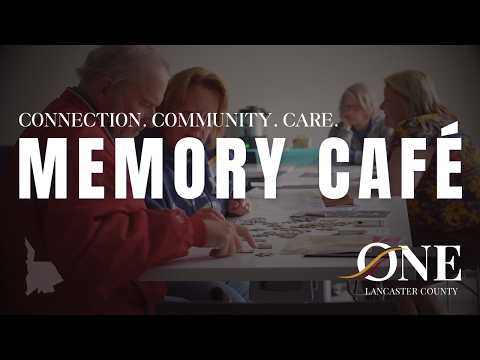
A presenter outlined a Memory Cafe program for Lancaster County designed to create social connection and activity for people living with memory loss and their care partners.
The presenter said the cafe will treat attendees "as people, not just a medical diagnosis," and emphasized dignity, respect and activities tailored to participants. "Everybody in this journey deserves joy," the presenter said, describing the program as a place for social belonging.
According to a fact sheet from the University of South Carolina Department for the Study of Aging cited by the presenter, more than 125,000 people in South Carolina live with Alzheimer's disease and related dementias, with about 1,500 in Lancaster County. The presenter also said many people experience symptoms for about two years before seeking medical attention and that time from first signs to diagnosis can be three to four years.
Planned Memory Cafe activities include simple word games, singing, light physical movement, exposure to books, arts and crafts, and guided reminiscing. The presenter described monthly themes — winter in February and baseball in March — and sensory elements such as theme music and snacks (cocoa and cookies for winter; popcorn or Cracker Jack for a baseball session).
To prompt memory and engagement, the presenter said she will bring tangible items such as baseball bats, gloves, baseballs and trading cards and will use short clips of movies and music familiar to attendees. She said she is partnering with the county Parks and Recreation Department to borrow equipment for the baseball-themed session and emphasized a flexible facilitation approach, keeping a "bag of tricks" to adapt activities to who attends.
The presenter said the program's goals are modest and person-centered: for attendees to leave feeling happy, valued and connected and to want to return. No formal action or vote was recorded in the transcript; the remarks described program design and outreach rather than a formal county decision or ordinance.