Get Full Government Meeting Transcripts, Videos, & Alerts Forever!
Get email alerts on the Youth Mental Health Social Media topic
No spam. Unsubscribe anytime.
Presenter tells Lodi School District audience social media, mental health and substance use intersect to raise risks for students
Summary
A presenter briefed Lodi School District parents and staff on local YRBS findings and national research linking social media use to poorer mental-health outcomes and higher substance use among youth, and offered school- and family-level prevention steps.
A presenter speaking to Lodi School District parents and staff said on the risks of social media that ‘‘social media is not all bad,’’ but added that research shows prolonged and uncurated use can increase anxiety, depression and exposure to substance use among young people.
The presenter, who described herself as a prevention consultant working with schools and youth, cited Lodi School District 2023 Youth Risk Behavior Survey figures: 26% of middle school students and 28% of high school students reported feeling depressed, and 16% of middle and 15% of high school students said they seriously considered suicide. She said those local rates align roughly with national surveys and called the numbers “not comfortable” as an indicator that district efforts should continue.
The presentation summarized research linking mental health and substance use, noting studies in state and national surveys that found students reporting depressive symptoms or suicidal thoughts were substantially more likely to use or misuse alcohol, marijuana and prescription medications. The presenter said one set of analyses showed students with suicidal ideation were 3.2 times more likely to use alcohol, 3.4 times more likely to use marijuana and about 12 times more likely to misuse prescription drugs than peers without such thoughts.
On the connection between social media and substance use, the presenter cited a Columbia University study she described as finding that teenagers with social media accounts were more likely to start using cigarettes, alcohol and marijuana. She warned that some platforms also serve as marketplace channels for illicit pills and other drugs, and mentioned ongoing litigation alleging platforms failed to stop sales that resulted in overdoses.
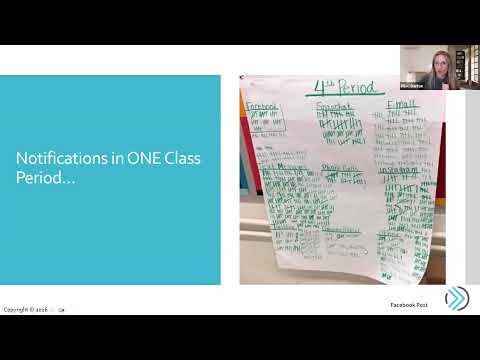
The presenter described mechanisms linking social media to poor outcomes: algorithm-driven amplification of content users pause on, nighttime device use and sleep disruption, exposure to pro-substance imagery, online bullying and trends that normalize risky behaviors. She noted that the district’s own student survey shows extensive screen time: roughly three to three-and-a-half hours per day of video watching and about three-and-a-half hours on social media for many students, with an estimated 52% of high schoolers and 35% of middle schoolers reporting device use between midnight and 5 a.m.
She recommended a strategic prevention approach that begins with local assessment — who is most affected, which apps they use, how much time they spend and what kinds of online harms they report — and then targets known risk and protective factors. Specific steps the presenter urged included family media plans, setting consistent device limits (for example, no phone use after 10 p.m.), teaching refusal and coping skills, involving youth in rulemaking, and modeling healthy device use by adults.
The presenter also pointed to policy and industry measures being pursued elsewhere: proposals to ban targeted ads to users under age 16, age verification for under-13 accounts, and state actions she described as early models. She referenced work by the U.S. Surgeon General and a federal task force on online safety among the resources she planned to share with attendees.
The presenter closed by offering her slides and source materials for district staff and parents and invited questions via the meeting chat and a question-and-answer period.
The presentation did not include a formal motion or district action; it was delivered as informational material and concluded with an offer to share resources and answer questions.