Get Full Government Meeting Transcripts, Videos, & Alerts Forever!
Get email alerts on the Water Meters topic
No spam. Unsubscribe anytime.
Millville commissioners debate buying discounted water meters amid warranty, storage and installation concerns
Summary
Facing a vendor deadline, Millville commissioners discussed buying additional water meters at a year-end discount versus waiting; concerns included warranty start dates, storage space, installer capacity, inconsistent quantity figures in the record, and uncertain total installation costs. No purchase decision was made.
Millville Vice Mayor Watson brought commissioners a time-limited vendor offer to buy additional water meters at a year-end manufacturer/distributor sale requiring a decision by Dec. 10, saying the vendor would not extend the deadline and the choice "has to be made today: we proceed with the purchase or we don't." The commission spent most of the work session weighing potential short-term savings against operational and contractual risks.
Watson said the undiscouted price for the additional meters was about $1,785,000 and that the vendor's discounted price was $1,678,000, producing an estimated equipment cost difference of roughly $175,000 when compared to projected 2026 pricing that staff estimated would be about 3.75% higher. Watson told the commission the current rollout began in May, that the initial order exceeded 3,000 meters, and staff reported roughly 1,800 meters had been installed to date and about 1,600 were listed as "in stock." At least one staff remark estimated the new order under discussion at "about 560 more meters," but other comments in the meeting used larger figures (including references to 5,000), creating inconsistent counts in the record.
Commissioners raised multiple operational questions: whether warranties commence on delivery or installation, who would bear the financial risk if a bulk shipment contained defective meters, where additional meters would be stored (city rules limit where infrastructure materials can be kept), and whether the vendor would remain in business long enough to honor lengthy warranties. "If you get a batch that are no good," one commissioner said, "you just wasted half a million dollars and you save nothing." Watson said the meters were described as carrying a 20-year warranty in vendor documents but acknowledged the commission did not yet have answers to enforcement and warranty-start questions.
Staff proposed a phased procurement alternative, buying meters in thirds and tying subsequent purchases to installation milestones (for example, purchasing the next third once 75% of the prior shipment is installed) to provide leverage to accelerate installs. Commissioners discussed whether a bulk purchase would open more of the city to scheduling installs immediately but warned that installation pace has lagged: at current rates, staff estimated an additional order of the discussed size could take approximately 18 months to install.
The commission also discussed installer capacity and contract structure. Staff described the procurement as routed through a manufacturer/distributor relationship (variously spelled in the discussion as "Cor Main," "Cord Main," and similar variants in the transcript); installers are assigned through that prime/distributor relationship and installation pricing could be affected by prevailing-wage adjustments, leaving total project cost uncertain even if equipment were bought now.
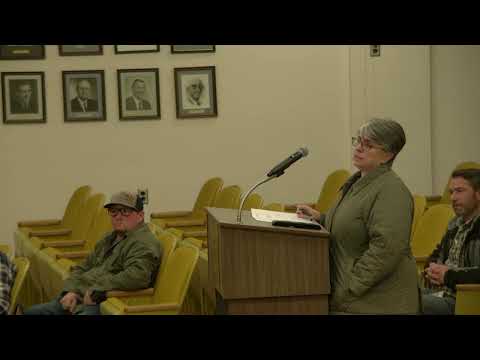
Public comment amplified the operational concerns. An unnamed resident asked, "What are the assurances that the city has that all the housing buildings, apartments, whatever get the water meters that they are supposed to get?" pointing to neighbors in the city center who said they had received no notice about installations.
Outcome: Commissioners did not make a purchase decision during the work session. They requested more written information about warranty terms, storage options, installer capacity, and clarified counts of meters on hand versus needed before taking any final action. The item remains under discussion for a future meeting.