Get Full Government Meeting Transcripts, Videos, & Alerts Forever!
Get email alerts on the Board Evaluation topic
No spam. Unsubscribe anytime.
Platte County school board to pilot monthly self-evaluations as members weigh scope
Summary
Board members debated switching from a single annual evaluation to a monthly, workshop-based review using a combined tool; supporters said monthly review would boost transparency and timely fixes, while others warned against micromanaging administrators.
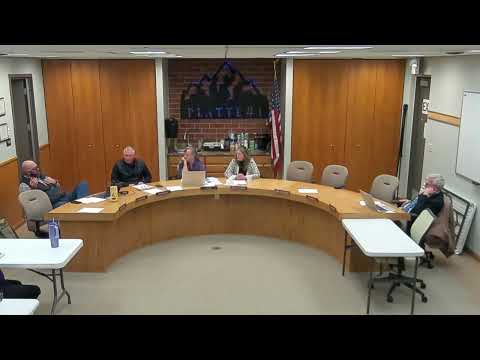
Platte County school board members spent most of a workshop discussing whether to adopt a monthly, workshop-based board self-evaluation instead of a single annual review.
At the February workshop the board will try a combined evaluation form Clay prepared, a board member said, with the goal of circulating materials in advance so members can complete them and use 15–20 minutes of the workshop to identify follow-up actions.
Board members discussed two parallel evaluation frameworks: one used for evaluating the superintendent against Department of Education standards and a separate board self-evaluation (described in meeting materials as the WSBA/WSDA framework). Clay said breaking the evaluation into monthly parts helps members "go, okay, are we really doing what we should be doing?" and could increase member involvement and public transparency.
Opposition centered on the risk of micromanagement and on ensuring evaluations lead to actionable follow-up rather than being a perfunctory "exit ticket." "I don't want to micromanage," said Doug Weaver, a board member, adding that he wants decisions grounded in evidence so he can understand curriculum and instruction before scoring them. Several members said they will not participate in a process that produces no corrective action.
Members also discussed practical steps: circulating the evaluation tool ahead of workshops, integrating the superintendent-evaluation context so expectations align, and using short presentations (for example, on the district's instructional framework) to give board members the background they need for oversight. One member suggested tying evaluations to concrete fixes such as improved website navigation or clearer contact information and addressing those between the workshop and the next meeting.
Clay agreed to merge his tool with the district's existing materials and circulate the combined document before the next workshop so the board can pilot the approach. The board did not take a formal vote during the session; members set a next-step to review the integrated tool at the February workshop.