Get Full Government Meeting Transcripts, Videos, & Alerts Forever!
Get email alerts on the Teacher Sickday Cashout topic
No spam. Unsubscribe anytime.
Optional sick‑day cash‑out bill advanced by committee as a tool to reduce substitute use, sponsors say
Summary
Senator Matt Nun and Scott County Superintendent Billy Parker presented a voluntary, district‑level option to let teachers cash out unused sick days (examples discussed: 13–26 days) at an existing 30% valuation rather than saving them for retirement. Supporters said the program reduces substitute costs and can boost retirement savings if cashed money is placed in tax‑advantaged accounts; members asked for clarity on tax treatment and TRS contributions.
Senator Matt Nun told the committee the idea behind Senate Bill 124 is to reduce reliance on substitute teachers by giving teachers a voluntary option to cash out unused sick days. “This bill is really about teacher choice,” Nun said, explaining that districts could offer an optional sick‑day cash‑out program and participation would be voluntary for both districts and individual educators.
Scott County Schools Superintendent Billy Parker described the mechanics and fiscal rationale: the bill borrows existing statutory language for donation thresholds and uses the 30% cash‑out valuation that applies to retirement calculations for earlier TRS tiers. He outlined optional limits that districts might adopt — for example, cashing out 13 days (roughly one year), 20 days, or 26 days (two years) — and showed scenarios comparing district substitute costs to cash‑out payouts. “It's still cheaper for the state,” Parker said in the committee presentation, arguing the model reduces overall taxpayer cost when comparing substitute pay to cash‑out payments.
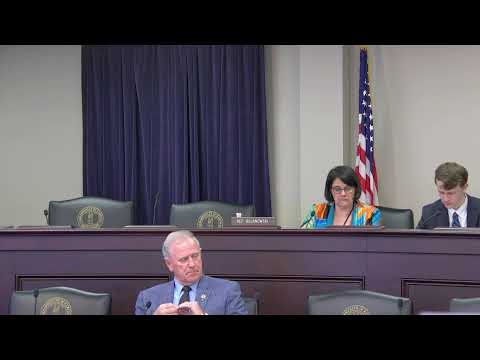
Members pressed on pension and tax implications. Representative Typton asked whether the cash‑out amount would count as creditable compensation for TRS; Nun and Parker said the bill as drafted would have those payments made at current salary rates and not considered creditable compensation, which they argued would reduce pension liability. Representative Bojanowski asked whether normal TRS contributions would apply to the cash‑out income; presenters said they were not sure and recommended the question be clarified before floor action.
Lawmakers also raised practical concerns about employees who cash out days and later face unplanned illness or family needs; presenters emphasized the decision would be voluntary, and districts and staff would need to consider risks when choosing plan parameters. Committee members noted potential contract conflicts and the need to ensure collective‑bargaining agreements or local contracts are addressed.
Supporters suggested an added retirement benefit if teachers place cash‑out proceeds into a tax‑advantaged account such as a 457(b) or IRA, which could compound and be inherited by beneficiaries — a contrast to leaving days solely within the retirement system. The committee voted to advance the bill with the committee’s expression that it should pass on the House floor, and members signaled follow‑up questions about tax treatment and TRS contribution rules.