Get Full Government Meeting Transcripts, Videos, & Alerts Forever!
Get email alerts on the Education Administrator Compensation topic
No spam. Unsubscribe anytime.
Senator Adams’ pay‑parity measure for school administrators advances from committee
Summary
The House education committee advanced Senate Bill 2, sponsored on the floor by Senator Julie Rocky Adams, which would cap administrator pay raises so they do not exceed the average percentage raise given to classroom teachers in the same district; the bill includes a waiver route for superintendent contracts handled through the commissioner of education (KRS 156.161).
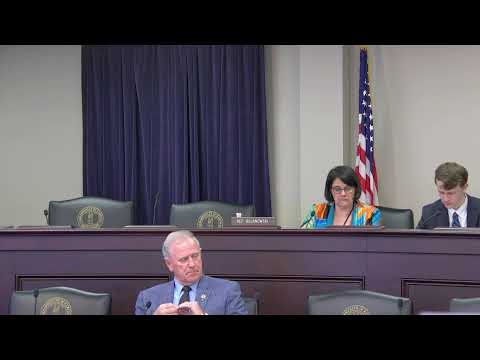
Senator Julie Rocky Adams, the sponsor, told the House Standing Committee on Primary and Secondary Education that Senate Bill 2 is intended to keep more money flowing into classrooms rather than into administrative raises. “Senate Bill Two is about fairness and and paying decisions for our schools,” she said, adding that the bill “ensures that when a school administrator receives a pay raise, those increases do not exceed the average percentage pay raise provided to classroom teachers in the same district.”
The bill applies to all administrators, not just superintendents, but it includes a waiver process for superintendent contracts so boards may negotiate differently when necessary. Adams said superintendent exceptions would be handled through the commissioner of education, pointing the committee to the existing waiver procedure under KRS 156.161. She told members the waiver route is timely and intended to preserve negotiated superintendent contracts rather than prevent them.
Committee members pressed for clarity on constitutional and contractual questions that could arise when the measure is applied to existing superintendent agreements. Representative Brancher asked whether the bill would prevent a superintendent from receiving a one‑time large increase; Adams said it would not block such increases, but the district would be expected to pursue the waiver process. Representative Riley confirmed that promotions within a school (for example, an assistant principal becoming principal) would still allow a commensurate pay increase.
Several members proposed drafting small clarifying amendments before the bill reaches the House floor; Adams said she was open to tweaks that would “belt and suspenders” the waiver language to avoid unintended effects on existing contracts. After discussion, the committee advanced the bill with the committee’s expression that it should pass on the House floor.
The next procedural step is House floor consideration; members indicated they may offer amendments addressing the waiver and contractual language before that vote.