Get Full Government Meeting Transcripts, Videos, & Alerts Forever!
Get email alerts on the Budget Fiscal Stability topic
No spam. Unsubscribe anytime.
Lynwood Unified board hears fiscal-stabilization plan as enrollment declines, budgets tighten
Summary
Board staff presented a first-interim budget showing falling enrollment (funded ADA from 10,765 to a projected 10,324), multi-year revenue declines and a certified positive budget with a 3% reserve; the county office has requested a board-approved fiscal-stabilization plan that includes vacancy freezes, management reductions and contract renegotiations.
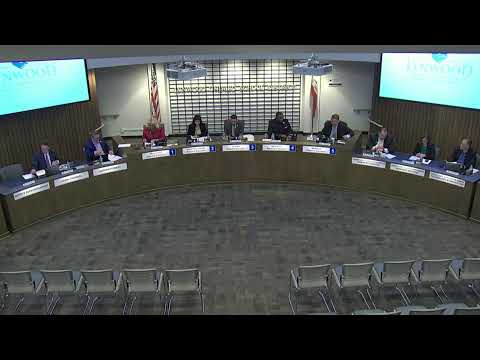
Lynwood Unified School District officials presented a first-interim budget Dec. 12 that projects falling enrollment and shrinking revenues, and outlined a fiscal-stabilization plan the county office has requested the board approve.
Dr. Gretchen Janson, who led the district’s budget presentation, said the district recorded 10,765 funded average daily attendance (ADA) this year and is projecting about 10,324 funded ADA next year. She told the board that, despite a statewide cost-of-living adjustment of roughly 2.46 percent, ‘‘we’re actually experiencing a negative COLA’’ because serving fewer students reduces the district’s overall funding.
The presentation included a three-year projection showing general‑fund revenues declining from about $265 million this year to roughly $233 million and $231 million in subsequent years. Janson said Lynnwood can certify a positive budget and carry a 3 percent reserve this year, but she warned the board the drop in restricted pandemic relief and lower ADA create ongoing pressure on unrestricted dollars.
Superintendent Dr. Crossway and budget staff emphasized that personnel costs account for about 80 percent of unrestricted spending, and outlined measures intended to protect classroom funding. The district’s fiscal-stabilization steps include freezing vacancies, prioritizing reductions away from direct classroom services, analyzing and realigning positions, and reducing or renegotiating service contracts when possible.
Board members pressed for concrete examples of savings. Purchasing director Ricardo Harris and staff pointed to an ongoing copier-contract renegotiation that Janson said should save about $40,000 a month; staff also described shifting some expenses to expiring restricted funds and pursuing outcome-based contracting tied to student-performance metrics.
Janson said the county office has requested a board‑approved fiscal‑stabilization plan to address unrestricted general-fund deficit spending; district staff will continue bargaining‑partner consultations and return with a second‑interim budget update in March after the governor’s January budget proposal is released.
Votes and next steps: The board received the presentation, discussed contract and vacancy steps with staff, and will bring the stabilization plan forward for county review and future board action.