Get Full Government Meeting Transcripts, Videos, & Alerts Forever!
Get email alerts on the Long Term Care topic
No spam. Unsubscribe anytime.
Committee reviews long-term care policy: restraints, change-of-ownership duties and proximity limits for residential settings
Summary
Article 5 consolidates multiple Department of Health and senator-sponsored long-term care provisions: new restraints documentation and training requirements, change-of-ownership responsibilities, limits on requiring guardianship as residency condition, proximity rules for small residential settings, notice requirements for sale to for-profit entities, and related emergency training changes; the department said the restraints language clarifies documentation and reporting rather than imposing micromanagement.
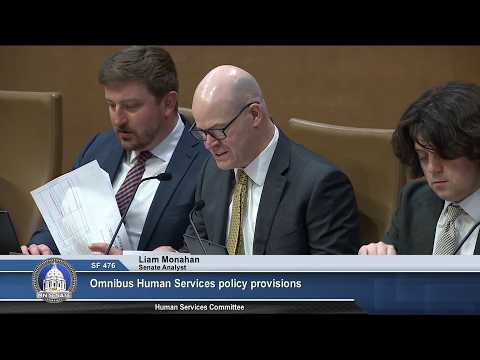
Nonpartisan staff and a Department of Health representative described Article 5 as a long-term care policy package that updates and clarifies multiple regulatory areas for nursing homes and assisted-living facilities.
Lisa (self-identified for the record as a department official) told the committee the restraints provisions were added because assisted-living licensure enacted in 2019 did not specify restraint rules; the proposed language aims to outline appropriate reasons for restraint use and require documentation, reporting and staff training so that regulators, providers and families have clear processes.
The article also clarifies responsibilities for new owners after change of ownership, places limits on requiring a guardian or conservator as a condition of residency, modifies required disclosures to prospective residents, and establishes notice and regulation requirements for purchases of nonprofit nursing homes and assisted-living facilities by for-profit entities (notification and related steps, not a prohibition on purchases). Senators debated whether proximity limitations should be statewide or locally controlled and whether notice requirements are sufficient. One senator cited testimony showing a high share of substantiated maltreatment cases occurred in for-profit settings and said that information justified stronger disclosure and oversight.
Committee members requested additional detail on how the restraints and ownership provisions would be enforced, and asked staff to provide citations and any fiscal implications before the committee considers amendments. The committee adjourned after confirming Friday’s public-testimony logistics.