Get Full Government Meeting Transcripts, Videos, & Alerts Forever!
Get email alerts on the Appellate Procedure topic
No spam. Unsubscribe anytime.
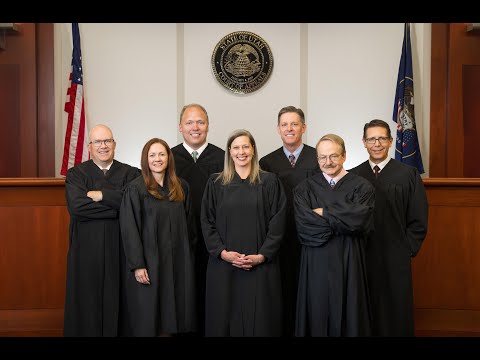
Utah Court of Appeals hears arguments over dismissal, equitable relief and $600,000 attorney-fee award in Olaflin case
Summary
In oral argument, counsel for investor Martin Olaflin told the Court of Appeals the district court erred by dismissing fraud and equitable claims and awarding more than $600,000 in attorneys'fees; appellees countered that Rule 26 failures and pleading posture justified dismissal. The panel took the matter under advisement.
The Utah Court of Appeals heard oral argument in Olaflin v. ASA Enterprises on whether the district court improperly dismissed fraud and equitable claims and awarded more than $600,000 in attorneys'fees.
Caroline Olsen, arguing for appellant Martin Olaflin, told the court Olaflin was "promised a ground floor opportunity to invest in a company with groundbreaking technology" and said the district court wrongly dismissed his case and then awarded substantial attorneys'fees based on an operating agreement she says was void because of fraud. "I plan to focus my time on the incorrect dismissal and attorney's fees," Olsen said, asking the panel to reinstate the equitable remedies that remain in the complaint.
Olsen emphasized that several equitable remedies remained in the pleadings, including a constructive trust claim pleaded at record entries cited during argument, and argued Rule 26'style disclosure obligations apply to damages computations but not to requests for equitable relief. "We don't need to prove damages in order to get equitable relief," Olsen said, noting courts sometimes order specific performance or other nonmonetary remedies where money is an inadequate remedy.
Appellees' counsel, Cameron Hancock, countered that the record and discovery undermined Olaflin's equitable theories. Hancock said fact discovery closed in February 2022 and that plaintiffs had conceded Reoxin no longer held the disputed intellectual property, leaving no viable constructive-trust theory tied to ownership. He argued Rule 26 requires timely disclosure of damage computations and supplements, and that the district court acted within established precedent to exclude belated damages evidence. Hancock also defended the trial court's finding that the 2009 operating agreement governed the parties' rights.
A third attorney, Axel Trumbo for defendants associated with Reoxin, pressed preservation issues, telling the court appellants had multiple opportunities to raise their equitable theories in the district court (summary-judgment briefing, the Rule 26 hearing, and proposed-order stage). Trumbo cited precedent (referred to in argument as "DB/DP" and related line(s) of cases) to support the position that failure to press the issue earlier waived the claim on appeal.
Panel members repeatedly questioned whether preservation and judicial-economy concerns required plaintiffs to object earlier or to file post-judgment motions. Olsen answered that, under the case law she relied on, such motions were not mandatory in the circumstances and that appellants relied on contemporaneous precedent when deciding how to preserve the issue.
Olsen also asked the court to vacate the attorneys'fees award even if it were to reverse only the dismissal, arguing the district court relied on an inoperative contract and failed to allocate fees between contract-related and noncontract claims.
The court did not rule from the bench. After questioning the lawyers on preservation, Rule 26, the scope of equitable relief, and allocation of fees between contract and noncontract claims, the panel said it would take the matter under advisement and issue a written opinion.
What happens next: The Court of Appeals will issue a written decision determining whether the district court's dismissal and fee award were legally correct and whether any part of Olaflin's equitable relief should proceed to further proceedings.