Get Full Government Meeting Transcripts, Videos, & Alerts Forever!
Get email alerts on the Cannabis Regulation Enforcement topic
No spam. Unsubscribe anytime.
OCP tells committee statutory grounds narrow for denying registrations; staff and timing limit inspections
Summary
The Office of Cannabis Policy told the veterans and legal affairs committee that statute limits registration denials mainly to incomplete/falsified applications and disqualifying drug offenses, and that staffing and the 30/45‑day statutory timelines constrain OCP's ability to perform all initial inspections.
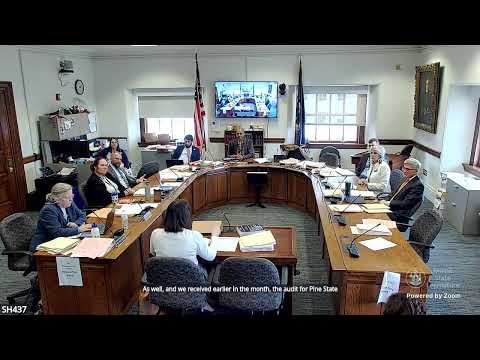
At a committee conversation with the Office of Cannabis Policy, policy director Gabrielle Barby Pierce said the agency’s discretion to deny registry or registration certificates is tied closely to what the statute and adopted rules authorize.
Pierce and committee analysts told members the code lists reasons an application may be denied — for example, incomplete applications, falsified information, or a disqualifying drug offense — but that the statute does not include broader, explicit 'moral turpitude' or other catchall disqualification language. Committee members pressed whether moldy facilities or other on‑site compliance failures discovered at inspection could justify denial; agency staff said failing to comply with rules or falsifying application data could lead to denial, but specific inspection standards are matters for rulemaking and factual review.
Committee members also focused on operational constraints. OCP staff said the agency must take action within 30 days of a complete application and that state law provides for automatic issuance after 45 days if no action is taken. Staff told the committee that meeting that timeline for on‑site inspections statewide would require additional compliance personnel, and that current staffing levels limit OCP’s ability to inspect every initial applicant within the statutory window.
The committee briefly discussed access and communications: members were told OCP has spent about $7,200 on translation services since creation and that program materials are formatted to support screen readers and machine translation tools. Several members urged statutory changes to allow additional grounds for denial or greater transparency in ownership, and staff recommended consulting the attorney general on constitutional/due‑process implications before adopting broader denial criteria.
Chair and members emphasized law enforcement limits: some members argued the primary response to organized illegal grows is federal and local law enforcement rather than regulatory licensing changes, while others asked staff to explore statutory options to deny registrations where criminal investigations indicate active illegal activity.
Next steps: committee staff and OCP will continue to refine statutory language options and provide additional materials; the committee noted it may pursue rule or statute changes in a future vehicle, contingent on legal review.