Get Full Government Meeting Transcripts, Videos, & Alerts Forever!
Get email alerts on the Technology topic
No spam. Unsubscribe anytime.
San Angelo police highlight real‑time crime centers while stressing privacy safeguards
Summary
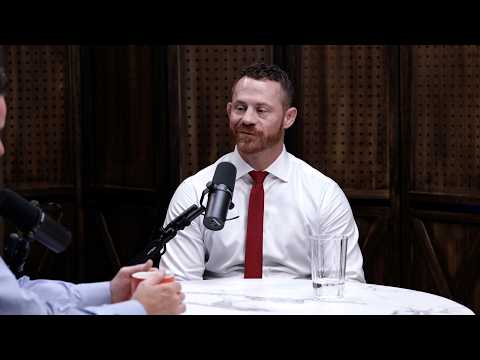
Assistant Chief Craig Thomasson described how real‑time crime centers and connected camera and license‑plate reader systems can speed responses and arrests, and emphasized transparency, audit logs and consent to guard civil liberties.
Assistant Chief Craig Thomasson said real‑time crime centers (RTCCs)—centralized hubs that pull live video, license‑plate reader data and other feeds—can help officers locate suspects and provide timely information during critical incidents.
"Realtime Crime Center is... a centralized hub where police use live video data and technology to monitor, respond to, and investigate crime as it happens," Thomasson said. "Not big brother. We're not just watching people trying to commit crimes, right?" He added that transparency, oversight and audit logs are essential to prevent government overreach.
Thomasson and host Chief Travis Griffith gave an example from a Bowmont incident where remoting into nearby cameras helped identify a suspect and led to a quick apprehension. Thomasson said such capabilities can reduce the need to deploy many officers randomly across a large area by allowing targeted responses.
The conversation covered a range of sources that can feed an RTCC, including pan‑tilt‑zoom cameras, privately owned business cameras (accessed with consent), drones and license‑plate readers. They also discussed automated alerts—such as Amber or Silver alerts—that can trigger plate‑reader notifications and assist in locating endangered or vulnerable people.
Both hosts stressed that using these tools requires written policies, community engagement and internal checks. "You need oversight. You need audit logs. You need all that stuff to make sure that people's rights aren't infringed on," Thomasson said.
No specific local RTCC procurement or operational decision was announced during the interview; Thomasson described the technology and benefits as areas of interest and potential future development for the department.