Get Full Government Meeting Transcripts, Videos, & Alerts Forever!
Get email alerts on the Property Taxes topic
No spam. Unsubscribe anytime.
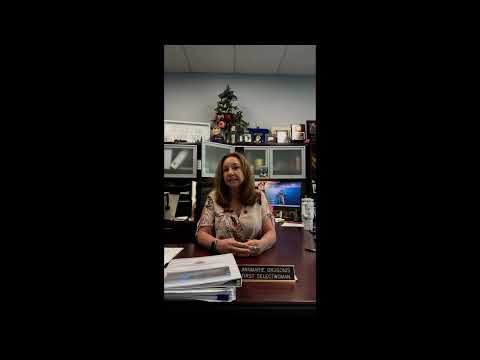
Staff member explains why some tax bills may rise after reassessment
Summary
A staff member outlined changes — including Connecticut27s switch to MSRP for vehicle valuations, a lower mill rate that forced motor-vehicle tax parity, and an estimated $1 million revenue loss — that may cause some residents27 bills to rise following reassessment.
S1, a staff member, said residents should expect tax bills soon and explained several reasons why some people27s bills may rise while others27s fall or stay the same.
The staff member said a recent change in state practice moved vehicle valuations from ‘‘NADA’’ to MSRP, which lowered car-tax valuations and reduced the amount of motor-vehicle tax revenue the town collects. "We went from NATA NADA to an MSRP," S1 said, adding that the move "lowers the car taxes." S1 said the town also lowered its mill rate and, because of a state rule about motor-vehicle mill rates, must now match the property mill rate to the car mill rate.
S1 said the town27s mill rate was reduced (spoken as from 36.84 to 27.72) and that a 2013 state rule requires parity under certain thresholds (spoken as '3264'), which resulted in the motor-vehicle mill rate being set at 27.72. "So now our car mill rate is also at a 27.72," S1 said. The staff member said those combined changes reduced car-tax revenue and estimated the loss at "approximately a million dollars in revenue."
S1 also noted that the recent reassessment raised many property values — "some homes went up 20 to 40% within the last five years," they said — and that instead of easing in increases annually, the town applied the reassessment at once, which can lead to "sticker shock." The staff member said normally a mill-rate adjustment would offset higher assessments but that the mill rate did not fall as far as expected after the reassessment.
S1 invited residents to a live Facebook town hall later this month for a fuller explanation and to answer questions. The staff member closed the brief update by reminding listeners that the reassessment and the change in vehicle valuation are the main drivers behind differing tax-bill outcomes.