Get Full Government Meeting Transcripts, Videos, & Alerts Forever!
Get email alerts on the Economic Development topic
No spam. Unsubscribe anytime.
CRA unveils downtown retail recruitment plan as ground‑floor occupancy hits about 77%
Summary
CRA staff presented a six‑part retail recruitment strategy — data and marketing intelligence, digital tools, regulatory streamlining, broker engagement, business support and property‑improvement programs — aiming to fill ground‑floor vacancies, increase foot traffic and align incentives; board discussed rent‑support options, parking, and a downtown resident survey to guide recruitment.
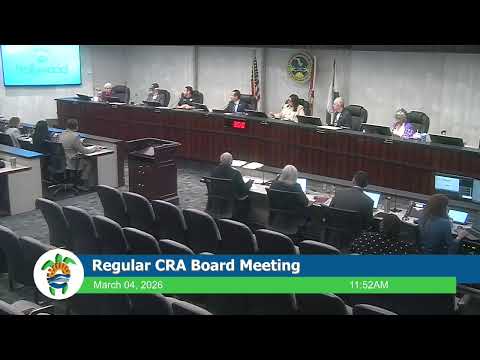
Hollywood CRA executive board — The CRA’s economic development team presented a coordinated retail recruitment strategy for downtown Hollywood and outlined immediate tactics to convert new residential density into ground‑floor retail customers.
Joanne Hussey, Director of Communications, Marketing and Economic Development, framed the plan around six focus areas: data and marketing intelligence, digital and ‘place’ technology, content and campaigns, regulatory improvements, consultant engagement for tenant recruitment, and direct business/property‑owner support. Hussey said downtown ground‑floor occupancy stands at about 77% and that city analytics show roughly 156,000 unique downtown visits per month, figures the CRA will use to target brokers and brands and to measure progress.
"These units are being absorbed and it is continuing to strengthen our potential customer base," Hussey said, noting recent openings (for example, specialty cafés and independent restaurants) and ongoing leasing momentum. The plan pairs targeted digital outreach and broker engagement with a redesigned city/CRA property‑improvement program to lower activation barriers for tenants. Board members debated potential incentives: Commissioner Hernandez and others supported grant assistance for interior renovations tied to long‑term rent commitments or tenant subsidies to avoid immediate post‑improvement rent increases; other members preferred tenant‑focused subsidies or reimbursement models that follow business performance.
Board members also raised parking and access as operational priorities and suggested pilot ideas — meter adjustments, pedicabs or shuttles, and better wayfinding from nearby hotels and the beach. Staff said it will run a downtown resident survey and a coupon/QR‑code pilot for new residents, bring a property‑owner roundtable, and publish ongoing quarterly Market Vitality reports to measure openings, processing timelines and foot traffic.
Several property owners presented completed and proposed façade projects (for example, 600 North Surf Road and 200 Garfield Street), with staff recommending moving forward on façade and resiliency components now and phasing larger parking improvements pending funding and design work.
Next steps: staff will deploy the resident survey, continue broker outreach, present a consolidated property‑improvement program to the board next month and convene a downtown owner roundtable to align incentives and expedite tenant activation.