Get Full Government Meeting Transcripts, Videos, & Alerts Forever!
Get email alerts on the Recreation topic
No spam. Unsubscribe anytime.
Two Rivers YMCA asks Moline council to partner on multi‑phase $25M expansion, requests fee waiver
Summary
Two Rivers YMCA leaders presented a $25 million multi‑phase plan to renovate and expand the Moline facility, saying the project would improve youth safety, senior health and family services; the Y asked the city to waive roughly $130,000 in plan and permit fees while staff reviews a memorandum of agreement.
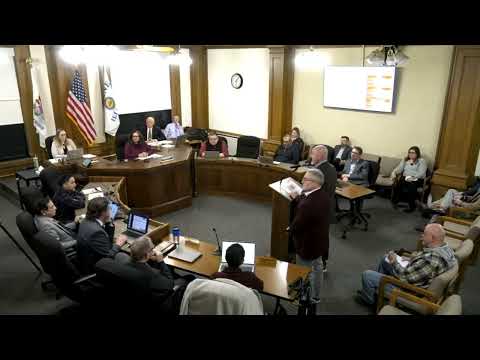
Rob Anderson, who identified himself as the chief volunteer officer for the Two Rivers YMCA, told the Moline City Council at its committee-of-the-whole meeting that the organization is proposing a transformative, multi‑phase renovation and expansion of its facility to secure the Y “for the next 50 years and possibly beyond.” Anderson said the Y currently has “over 14,000 members and it averages about 12 to 15% of those being on an income based memberships.”
“We are changing the future for Moline families by building the best facilities for everyone anywhere in our region,” Anderson said, describing a plan that would add a new gymnasium, modernize aquatics, renovate locker rooms to meet Illinois accessibility standards, and convert underused spaces to new program areas. He said recent investments included a 2015 $3.5 million renovation of the first-floor entrance and that the 1970s-era building needs more substantial work.
A colleague introduced as Mike expanded on programming and partnerships: the plan would create an eight‑lane competition‑style pool to support local swim teams, a warm water therapy pool, and a lifeguard‑training pipeline in partnership with the Moline Community School District and the parks department. Mike said the Y is already discussing a “water safety initiative” with schools and a lifeguard training collaboration that could offer PE credit to high‑school students.
Anderson and Mike said the project budget is roughly $25 million, with about $17 million expected from private donations and grants, and the remainder from financing. They asked the city to consider waiving approximately $130,000 in permit and plan‑review fees associated with the design‑build team’s estimates. Anderson said, “we're not here this evening to ask you for a handout,” adding that the Y would pursue private fundraising but that city partnership would amplify the effort.
Council members asked for the Y’s community‑benefit statements; Anderson confirmed he had them and offered to provide them to staff. City staff said they would review the fee‑waiver request and bring a recommendation — likely in the form of a memorandum of agreement — back to council. Council members also questioned logistics for swim meets and parking; the presenters said larger events would use an existing parking property across the street for overflow and that they would realign some entrances so seniors and patrons with mobility needs have closer, accessible access.
Timeline and next steps presented by the Y included a near‑term bid for parking work, schematic design to be completed around April, a public fundraising phase in midsummer, and phased construction with aquatics delivered in a later phase. Anderson said the Y’s feasibility work supports the campaign and that the organization tracks roughly $1 million to $1.5 million in annual community benefits from subsidies and assistance programs the Y administers.
What’s next: staff will review the Y’s written community‑benefit statements and the fee request and return a recommendation to council; Council did not make a motion or take a vote on the fee waiver at this meeting.
Attributions: Quotes and program details above are attributed to Rob Anderson and the Y representative identified in the meeting transcript as Mike. The article uses only statements made in the meeting record and does not infer additional financing or private pledges beyond what the speakers described.