Get Full Government Meeting Transcripts, Videos, & Alerts Forever!
Get email alerts on the Federal Earmarks topic
No spam. Unsubscribe anytime.
Casper council agrees to prioritize three federal earmark requests; staff to convey order in memo
Summary
Council reviewed three proposed congressionally directed spending requests — $1.6M for police radio/antenna upgrades, about $3M to replace suspected lead service lines, and a $1.9M Robertson Road improvement (asking $1.5M) — and told staff to present them to the congresswoman in the order shown in the staff memo.
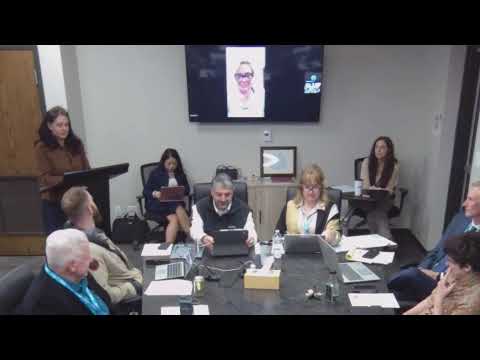
Casper council members reviewed three proposed federal earmark requests and directed staff to present them to the congresswoman in the order listed in the staff memo.
Staff member Pete told the council staff and consultants had identified three projects that matched likely federal programs: roughly $1.6 million for police radio replacements and a new antenna to reduce dead spots and boost interoperability; about $3 million to replace remaining suspected lead service lines; and a $1.9 million segment of Robertson Road improvements, for which the city would request $1.5 million (a project-level match would be required). “We have come up with three different requests that we think would be a good match,” Pete said while presenting the proposals and the accompanying memo.
Why it matters: the projects target different public needs and funding sources. Radio and antenna work is framed as a public‑safety and interoperable‑communications investment for first responders; lead‑line replacement addresses drinking‑water safety and potential regulatory obligations tied to federal inventory and remediation expectations; and the Robertson Road request aims to reduce congestion in a neighborhood that has seen repeated winter traffic problems.
Details of the three proposals
- Police radios and antenna: Staff described a $1.6 million request to replace aging portable radios and to install a local antenna to eliminate dead zones in parts of town and reduce reliance on distant towers. The presentation noted a program staff identified by name for possible funding; the police chief described past incidents where communications were hampered, saying, “When we had the incident at the hospital with the active shooter some years ago, we were unable to communicate in the hospital.” Staff said replacing older radios would bring the department closer to the state’s updated mutual‑aid encryption standard so units can communicate securely with other agencies.
- Lead service line replacement: Staff presented an approximate $3 million request to remove the last suspected lead service lines in the system. Council and staff discussed the city’s existing inventory work with Casper Regional Water and the federal expectation to inventory and remediate lead‑line risks. Staff emphasized a desire to act proactively rather than wait until a federal program’s availability is certain.
- Robertson Road improvements: The project request targets a limited section of Robertson Road near CY Avenue to add lane widening, left‑turn lanes and trails; staff said a full corridor build‑out would cost substantially more (staff cited multi‑million‑dollar estimates), and the earmark seeks a smaller, achievable package to reduce recurring winter congestion and safety risks. The staff memo sets the request at $1.5 million toward a $1.9 million segment, noting a 20% local match would be required.
Council discussion and next steps
Council members asked technical questions about grant matches, how congressional offices adjust earmarks and the uncertainty of final award amounts. Pete and other staff explained that a congresswoman’s office may receive many requests and can alter or partially fund submissions during the budgeting process; staff said they would implement whatever portion of a funded project is achievable if an award is reduced.
On prioritization, several council members said the lead‑line replacement and the communications request were top priorities for public safety and health, while others stressed the Robertson Road work’s local importance. Council member Amber said, “If I had to prioritize them, I would just say proceed as is,” indicating support for the memo’s order. By consensus, the council agreed to keep the projects in the order presented in the staff memo and asked staff to communicate the priorities to the congresswoman’s office.
The council did not take a formal recorded vote on the list at this meeting. Staff flagged the need to track federal timelines, possible local match obligations, and program eligibility as the requests move through the congressional process. The council then moved on to agenda review and other business.