Get Full Government Meeting Transcripts, Videos, & Alerts Forever!
Get email alerts on the Solar Projects topic
No spam. Unsubscribe anytime.
Planning committee approves conditional-use permits and variances for two commercial solar projects
Summary
Iroquois County planning and zoning committee approved conditional-use permits and associated variances for USS Catrelli Solar LLC (≈3.32 MW) and USS Venus Solar LLC (≈9.19 MW), imposing conditions including 100% decommissioning financial assurance, landscape screening, drain-tile coordination, and emergency-response reimbursements before final building permits.
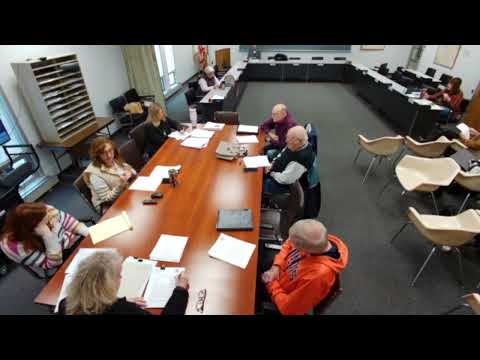
The Iroquois County Planning and Zoning Committee voted to approve conditional-use permits and variances for two commercial solar projects, granting preliminary approval while attaching a set of conditions intended to protect neighbors, drainage infrastructure and local emergency responders.
Jamie, a committee member who moved the Catrelli applications, said the panel approved USS Catrelli Solar LLC’s conditional-use permit for a roughly 3.32-megawatt facility on about 19.9 acres and a variance from the county’s living-buffer requirement. Roll-call responses recorded at the meeting were Ban yes; Willow yes; Bar yes; Hughes no; Ferguson yes. Jamie also moved the variance, seconded by Steve, which the committee approved. The committee later approved the USS Venus Solar LLC conditional-use permit and buffer variance for the roughly 9.192-megawatt, 12.9-acre site after similar motions and roll-call votes.
The committee’s technical presenter, Andy, outlined the conditions attached to approvals. Developers must post 100% of an agreed decommissioning fund (financial assurance) before moving to a building permit, submit a landscape/vegetative screening plan for review by the Soil & Water Conservation District, perform and file drain-tile surveys that protect neighboring drainage infrastructure, obtain road‑use agreements before construction, maintain a publicly accessible construction-status website, and coordinate training and equipment or reimburse documented emergency‑response costs to local fire districts.
Andy emphasized that some of the conditions go beyond state minimums: “They agreed to post full decommissioning funds and to work with adjacent landowners on drain tiles,” he said, adding that the county may retain a third‑party engineer to review technical submissions. The committee also discussed enforcement: conditions include daily fines for uncured violations (example given at $1,000 per day), with opportunities to cure before escalating enforcement.
Committee members repeatedly noted statutory constraints. Several members asked why projects come before the committee if state law limits local authority; Andy and others explained the state law prescribes local hearings but that county conditions and enforcement are still meaningful. “The state narrows discretion but the process lets us set enforceable conditions and require documentation before building permits,” Andy said.
What happens next: committee approvals are the first step. Projects must still satisfy remaining items—road agreements, finalized landscape plans, final design reviews and decommissioning agreement approvals—before building permits are issued; many of those items return to the county board for final action.
The committee’s approvals indicate conditional local acceptance but preserve multiple follow-up checks: developers must meet county and other-authority requirements before construction begins.