Get Full Government Meeting Transcripts, Videos, & Alerts Forever!
Get email alerts on the Alternative Learning topic
No spam. Unsubscribe anytime.
REEDS SPRING R‑IV proposes 7–12 alternative learning program and central office relocation
Summary
In a post‑meeting update, a district presenter said the REEDS SPRING R‑IV Board is considering a 7–12 alternative learning environment at the central office to serve about 35–40 students, with facility planning and a job description to be presented to the board in December.
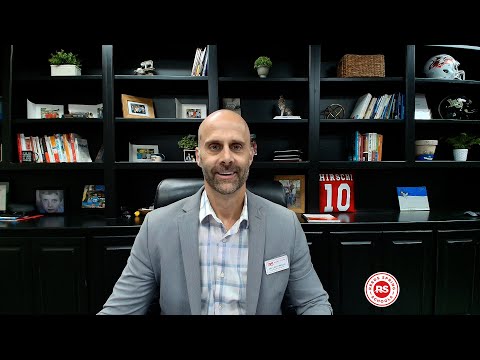
In a post‑meeting update, a district presenter for REEDS SPRING R‑IV said the board is being asked to begin considering a new 7–12 alternative learning environment to be housed at the district’s central office and designed to serve roughly 35 to 40 students.
The presenter said the recommendation follows site visits to programs in other districts and a review by an action‑planning team led by Garrett Nunan, the district’s special services director. The team identified strengths such as data‑driven placement processes, explicit learner goals and embedded special‑education supports, and also flagged weaknesses in peer programs, including lower academic expectations, limited instructional time, inconsistent structure and staff engagement.
"We're not going to give up on kids," the presenter said, summarizing the district’s aim to provide a program that blends strong academics with personalized, project‑based learning and social‑emotional supports.
Key design elements the presenter described include: embedded core academics alongside personalized learning; MTSS and special‑education friendly instruction; small class sizes; explicit social‑emotional learning and early intervention; and a high level of staff expertise and engagement. The district envisions a teacher‑leader (a combined teacher/director role) to run the program initially and anticipates adding two certified teachers with content and special‑education credentials later.
The presenter said the district plans to house the program near the high school (central office space intended to be remodeled) so students can access electives and reintegrate with home schools. A job description for the lead teacher/director will be presented at the December board meeting for review and potential approval; the presenter said hiring would continue through spring and the district aims to open the program in 2027.
On facilities, the presenter outlined a parallel plan to pursue a new central office building north of the career center. Architects and designers will be engaged to develop blueprints, with a hoped‑for ground‑breaking in spring and an estimated 12–14 month construction timeline so current central office space can be renovated for the alternative program.
The presenter characterized the effort as part of the district’s Vision 2030 strategic plan and said additional details will return to the board next month. No final approval to create the program or start construction was recorded in the update; the board will receive facility plans and a job description before the district proceeds with hiring and renovation work.
Ending: The presenter closed by reiterating the district’s focus on student outcomes and on aligning facilities and staffing choices to the strategic plan.