Get Full Government Meeting Transcripts, Videos, & Alerts Forever!
Get email alerts on the Recognitions Program topic
No spam. Unsubscribe anytime.
Board weighs changes to how Noblesville Schools recognizes students and staff
Summary
Board members and staff discussed narrowing or broadening the district's recognition program, suggestions to spotlight students who 'don't normally get recognized,' periodic recognition for classified staff, letting principals explain selection rationale, and clarifying that the $1,000 monthly school allotment goes to the school's fund rather than directly to individual teachers.
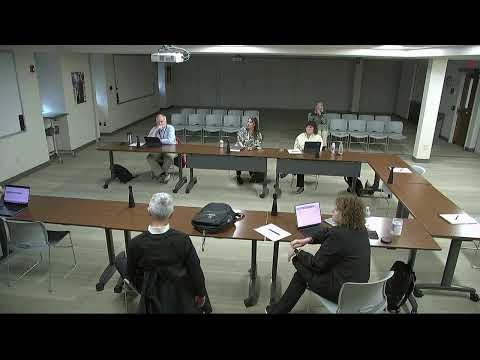
The Noblesville Schools board spent a substantial portion of its work session discussing how the district highlights schools, teachers and students during board meetings.
Staff and board members reviewed the current model—three teachers highlighted monthly alongside a $1,000 allocation to the designated school—and debated whether the public-recognition program should emphasize exceptional achievement, growth, or broader inclusion. Several participants recommended routinely spotlighting at least one student who "doesn't normally get recognized," including examples tied to behavior improvements, academic growth or community projects. Board members also proposed periodic recognition for classified staff (food service, custodial, maintenance) and suggested principals be given discretion but asked to briefly explain how honorees were chosen when presenting them at board meetings.
The group clarified that the $1,000 allotment described in the discussion goes to the school’s fund (commonly used for extracurricular or student support) and not as a direct cash award to individual teachers. Board members discussed options to add simple, consistent language that principals could read when introducing honorees so the public understands whether selections are peer-nominated, principal-selected or tied to a specific achievement.
Members agreed to take feedback to building principals, collect guidance and pilot changes (for example, tying recognition to a building spotlight or rotating inclusion of classified staff) for a trial period, with the option to revisit the program after a year.
The discussion focused on program design and public engagement; no formal policy changes or votes were recorded in the transcript.