Get Full Government Meeting Transcripts, Videos, & Alerts Forever!
Get email alerts on the Achievement Integration Plan topic
No spam. Unsubscribe anytime.
Board approves achievement and integration plan and first-year budget to secure state aid
Summary
The Bemidji board approved a three-year Achievement and Integration Plan projected to generate about $595,000 (70% state aid) and approved the first-year budget focused on mental health staff and teachers previously funded by ESSER; the plan aims to reduce the district deficit.
The Bemidji Public School District board voted to approve a three-year Achievement and Integration Plan and the accompanying first-year budget intended to increase revenue and reduce the district’s structural deficit.
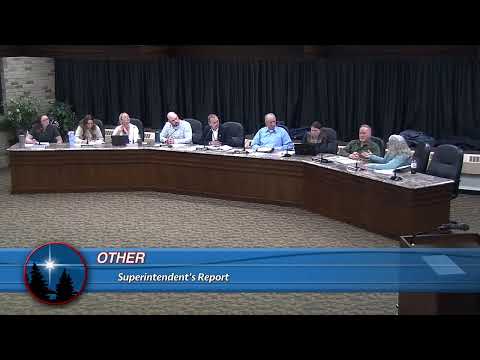
Superintendent Olsen told the board the plan is projected to generate approximately $595,000 in funding over the plan period, with roughly 70% expected as state aid and an optional 30% local/general-fund share (about $178,000) that the board may levy or absorb into the general fund. The district plans to use year-one funds primarily to support mental health staff and to replace positions previously funded through ESSER dollars, with a stated goal of reducing the general fund deficit.
Board members moved and approved both the plan and the budget by voice votes. Olsen and staff said the plan provides an umbrella framework for annual budgets that the district must submit to the Minnesota Department of Education to secure the state portion of the funds. The superintendent said the plan was drafted to preserve flexibility across three years and to mitigate potential reductions in other federal dollars such as Title I.
The board was told the plan should decrease the deficit by an estimated $600,000 in the near term; however, Olsen cautioned that $930,000 of the district’s proposed reductions elsewhere are one-time savings and thus not sustainable indefinitely.
The motion passed by voice vote; the meeting transcript does not record a roll-call tally for this action.