Get Full Government Meeting Transcripts, Videos, & Alerts Forever!
Get email alerts on the Land Use topic
No spam. Unsubscribe anytime.
Spokane adopts interim control to bar private detention facilities on city property after public hearing
Summary
Council adopted an emergency interim zoning control prohibiting the use of private property for detention facilities citywide; supporters framed it as a human-rights and land-use safeguard while opponents warned of federal preemption and property-rights concerns. The recorded vote was 6–1 in favor.
Spokane City Council adopted an interim official control (Emergency Ordinance C 36-851) that removes private detention facilities from allowable uses and prohibits use of private property for detention facilities while the city develops permanent comprehensive-plan language.
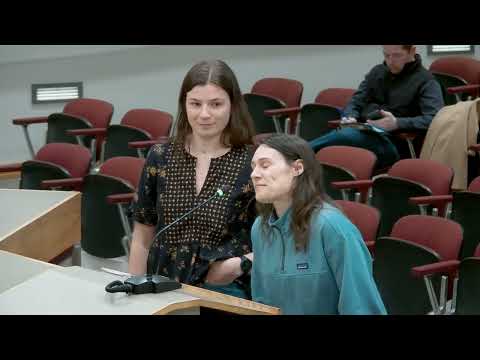
Supporters—including immigrant-rights and human-rights advocates, neighborhood residents and several council members—urged the city to close a potential pathway for private detention sites to open in neighborhoods, arguing such sites can evade transparency and produce harmful conditions. "When people are taken from our streets and placed into facilities that may not be designed or regulated to safely hold individuals, oversight becomes far more difficult," a speaker said during the hearing.
Opponents expressed concerns about federal supremacy, property rights, and potential takings liability. Some called for a narrower approach (for example, prohibiting such uses only in residential and mixed-use zones) to reduce legal risk. Several council members acknowledged those concerns but emphasized that the interim control is a land-use tool meant to require public-facilities siting review and community notice before any facility could be established.
The council adopted the emergency interim control and tasked staff with developing a work plan and permanent code language within a one-year window; the clerk recorded the result as passing 6–1. Council members said the ordinance would be paired with a public outreach and legal review to identify any conflicts and implementation steps.
Quotes in this story come from individuals who identified themselves on the record during the hearing.