Get Full Government Meeting Transcripts, Videos, & Alerts Forever!
Get email alerts on the Land Use topic
No spam. Unsubscribe anytime.
Planning board recommends allowing limited 'wine bar' and 'tap room' uses, citing noise, hours and liquor limits
Summary
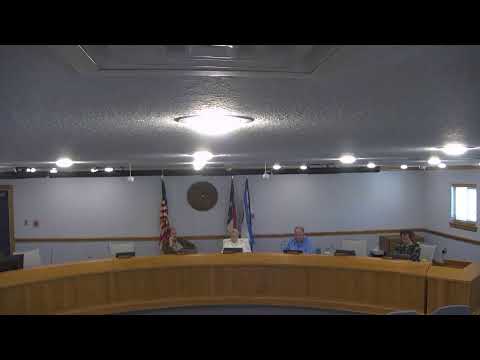
The Nags Head Planning Board voted April 21 to recommend to the Board of Commissioners a text amendment that creates "wine bar" and "tap room" uses with limits on distilled spirits, hours, outdoor activity and parking; staff will revise draft language to reflect the board's consensus before the commissioners' public hearing.
The Nags Head Planning Board voted April 21 to recommend a text amendment to the town's Unified Development Ordinance that would create two new land-use categories — wine bar and tap room — with supplemental standards intended to allow lower-intensity alcohol-serving venues while continuing to prohibit standalone bars.
At a public meeting where residents, the applicant and planning staff all spoke, planning staff framed the change as a cautious, incremental step designed to address enforcement and nuisance concerns while giving restaurants and small craft producers a framework to operate. “The town does have a long-standing desire to prohibit bars,” staff member Kelly told the board, explaining the proposal’s intent to allow limited on‑premises beer and wine service while excluding distilled spirits in the initial step.
Why it matters: The amendment grew out of a broader debate about a proposed "restaurant waiting lounge" and whether accessory waiting areas could be used to create de facto bars. Supporters said the new definitions will let small operators offer seated wine- and beer-focused service without encouraging nightclub-style operations; opponents warned that vague language could be hard to enforce.
What the amendment does: Under the board's recommended draft, wine bars and tap rooms would be permitted in the town’s commercial zoning districts where microbreweries are already allowed (C1, C2, C4, C5) but excluded from oceanfront/resort CR zoning. Key points the board adopted as recommended language to forward to commissioners:
- Distilled spirits would be prohibited for the two new uses (initially limited to beer and wine). - Hours would be limited so that the establishments would not operate between 11 p.m. and 7 a.m.; the board coalesced around 11 p.m. as a closing time. - Outdoor entertainment would be prohibited; indoor entertainment would be allowed only if it complies with the town’s noise ordinance and remains incidental to seated dining. - Outdoor customer service area would be limited (proposed at 500 square feet or 25% of indoor customer service area, whichever is less) and must be physically delineated and screened. - Parking would follow the town’s existing standard for customer service area (one space per 55 square feet).
Public and applicant comments: The applicant’s representative, Jay Overton of Al Marlin Associates, urged the board to define ‘‘bar’’ by characteristics and not only by beverage type, arguing that problems arise from activities (late hours, amplified entertainment) more than from specific drinks. Residents and other board members repeatedly pressed for clear, enforceable language tied to the noise ordinance rather than subjective terms such as "low intensity." One public commenter warned the waiting lounge draft could, by its own wording, function as a bar.
Vote and next steps: A motion to recommend the staff-amended wine bar/tap room language to the Board of Commissioners carried on a voice vote (“the ayes carry”). The planning staff will incorporate the board’s edits into a revised draft for the commissioners’ public hearing. The board did not record a roll-call tally in the transcript; staff will present the revised text and recommendations at the next steps in the review process.
The planning board emphasized enforcement will depend on the town's existing code tools: special‑use permit conditions, unified development plans and the noise ordinance. The Board of Commissioners will hold the public hearing and consider the planning board's recommendation before adopting any ordinance change.