Get Full Government Meeting Transcripts, Videos, & Alerts Forever!
Get email alerts on the Active Transportation topic
No spam. Unsubscribe anytime.
Plymouth State students lay out plans to connect trails, fix pedestrian gaps
Summary
Two groups of Plymouth State environmental science students presented trail‑connection and pedestrian‑safety proposals to the Select Board, urging landowner outreach, updated crosswalks and coordination with state trail and funding programs.
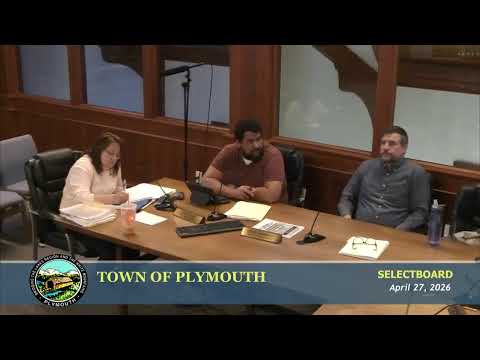
Plymouth — Two groups of senior environmental science students from Plymouth State University presented proposals to the Select Board on April 27 aimed at expanding the town—s trail network and improving pedestrian safety.
The first student team, led by Zan Alberichi, said the town—s 2018 master plan and recent Natural Resource Inventory (NRI) identify gaps but lack an implementation framework. The students recommended creating corridors linking Fox Park, Walter Newton area, Plymouth Mountain and Langden Woods. They called for landowner permission and coordination with partners such as the New Hampshire Bureau of Trails and local volunteer groups, and suggested that the college could contribute GIS mapping and volunteer labor.
"We believe it is an incredible potential for eco‑tourism around the town," Alberichi said, asking the board to note the economic and recreational benefits of a connected trail system.
The second group, led by Allison Kaiser, presented a pedestrian‑infrastructure audit that identified three priority hubs: downtown Plymouth; routes to Plymouth Elementary and the high school; and the Market Basket area along Tenny Mountain Highway. They recommended short‑term fixes such as repainting and better signage, intermediate steps including ADA‑compliant sidewalk repairs, and long‑term aims to secure sidewalk connections along Tenny Mountain Highway through coordination with the New Hampshire Department of Transportation.
Kaiser said the town lacks a consolidated map of crosswalks; the students also cited field observations that many crosswalks are faded and that the town saw a decline in walking and biking rates since 2020. The group proposed traffic‑calming measures, better maintenance schedules for markings and signage, and a public map highlighting safe pedestrian routes.
Board members praised both presentations and suggested next steps. One member recommended bringing the proposals to the Conservation Commission and the economic development committee for further review; another noted that alternative paint types and traffic‑calming devices can be costly but worth considering. The board also confirmed that the Northern Lights grant has previously been used to support downtown lighting and accessibility projects.
The board thanked the students and asked staff and appropriate committees to consider making presentation materials available to the public and to explore how volunteer and funding partners could be engaged to move promising ideas forward. The reappointment of faculty liaison Lisa Donor to the Conservation Commission was approved later in the meeting, a move the students said would ease coordination with the commission.
The Select Board did not take formal action on the students' specific proposals at the meeting; members asked that the materials be shared with relevant committees and made available online and in town hall for public review.