Get Full Government Meeting Transcripts, Videos, & Alerts Forever!
Get email alerts on the Proclamations topic
No spam. Unsubscribe anytime.
Oviedo CRC debates whether proclamations should remain mayoral power after new state law
Summary
The Oviedo Charter Review Committee discussed April 22 whether to revise charter language on proclamation authority after recent Florida legislation broadened limits on diversity/equity/inclusion proclamations; members debated mayoral control, council oversight and practical workarounds but took no formal action.
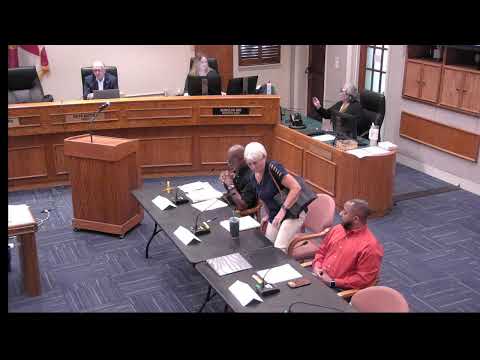
The Oviedo Charter Review Committee spent much of its final agenda item on April 22 debating whether the city charter should change who issues proclamations after members noted new state legislation affects proclamations and resolutions.
The facilitator told the committee that a recent session of the Florida Legislature expanded provisions that can touch on proclamations and resolutions, and warned that the law could effectively limit some proclamations tied to diversity, equity and inclusion. He presented draft charter language and a ballot summary to prompt discussion.
One committee member argued that keeping a single decision-maker — generally the mayor’s office — avoids putting council members in the position of publicly denying routine or personal requests (for example, recognizing a resident’s family milestone). Another member said it would be better for the full council to have authority so members have a say before proclamations are issued.
Committee members discussed several operational compromises: using letters from the mayor’s office for routine recognitions, placing substantive proclamations on the council agenda for formal approval, or allowing the council member who requested a proclamation to sign in particular circumstances. Staff explained that historically some proclamations were staff-initiated (annual recognitions) while others came at the mayor’s direction; consent-agenda placement and whether proclamations required a council vote contributed to past confusion.
Nicole Martin said she supported giving the council more role in deciding proclamations rather than leaving unilateral authority with a single office. Staff and members agreed the issue is complicated and that changing charter language may create more procedural work; no motion to change the charter was made.
The committee concluded the discussion without a formal recommendation and asked staff to include the topic and the draft language in the staff report so the City Council can consider the options.
The meeting adjourned after closing remarks and a tentative schedule: staff will prepare documentation for a May work session and expected council ordinance readings in June.