Get Full Government Meeting Transcripts, Videos, & Alerts Forever!
Get email alerts on the Municipal Budget topic
No spam. Unsubscribe anytime.
Easley City council advances $40 million budget on first reading amid calls for more detail
Summary
On first reading the Easley City Council approved Ordinance 20-26-16, a $40,000,000 annual operating budget for FY2026–27. One councilmember voted no, citing insufficient line‑item detail and a lack of transparency; supporters said multiple workshops and sessions informed the proposal.
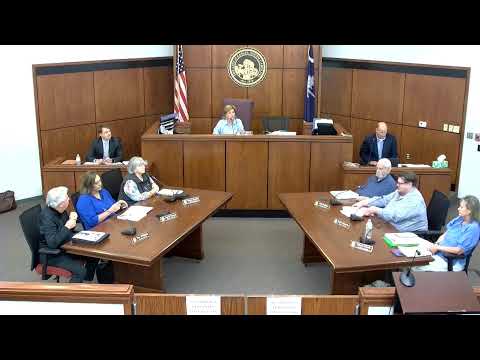
The Easley City Council voted to advance the city’s proposed $40,000,000 operating budget on first reading for fiscal year 2026–27 after a public hearing and extended council discussion.
The ordinance (20‑26‑16) was introduced at the meeting and the council heard a slide presentation summarizing revenue sources and major spending priorities. The presenter said the five largest revenue categories total about 74% of general fund revenue, listing real property tax ($5,200,000 or 21%), local option sales tax ($5,400,000 or 22%), insurance tax ($2,900,000 or 12%), business license fees ($3,000,000 or 12%), and a franchise fee ($2,000,000 or 8%). He said the city will hold the millage at 74 mills and projects overall revenue growth of 5.3%, with no use of fund balance planned for the coming year.
The proposal includes a proposed finance credit card recovery fee (estimated at 3.25%), a 3% cost‑of‑living adjustment for employees earning over $50,000 and 4% for employees earning under $50,000, and six new positions: one IT support hire; one business license technician (intended as a cost‑recovery position); two CDL Class A public works drivers; and two parks and recreation maintenance technicians. Presenter materials listed capital priorities including two fire trucks to be funded from impact fees and continued investment in police, public works, fire and parks and recreation.
During the public hearing, Jenny McJunken asked whether department heads could transfer personnel or capital funds and whether transfers would require council approval; Mr. Couch replied transfers can be made within departments but transfers across departments or above administrative authority would require council approval.
Council debate centered on the level of detail provided with the proposed budget. One councilmember announced a “no” vote on the first reading, arguing the council and public had been given only a high‑level summary and not the line‑item detail needed for meaningful review. In the member’s words: “Presenting council with only broad summaries and limited financial information falls short of the level of disclosure … expected for one of the most significant tasks that the council takes each year.”
Other councilmembers and the mayor said the administration and finance staff had conducted multiple workshops and work sessions in recent months and that a finalized packet would be provided before second reading; one member said the first‑reading vote was to move the measure forward while the council awaits the full documentation. The motion to accept the budget on first reading carried on a voice/hand vote; councilmembers indicated they will continue reviewing the detailed packet before the second reading.
Next steps: The ordinance passed first reading and will return for a second reading with the expectation that the council will receive more detailed budget documentation before final action.