Get Full Government Meeting Transcripts, Videos, & Alerts Forever!
Get email alerts on the Housing topic
No spam. Unsubscribe anytime.
Philadelphia City Council passes Safe and Healthy Homes package with new tenant protections
Summary
After hours of public comment and debate, Philadelphia City Council passed two major landlord-tenant bills that create a proactive rental-inspection program, strengthen habitability standards, restrict retaliatory evictions and provide tenant remedies and reporting requirements.
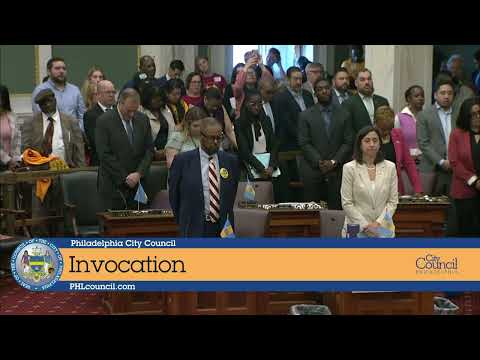
Philadelphia City Council on April 28 passed a package of ordinances aimed at strengthening tenants’ rights and holding property owners to tighter safety and licensing standards.
The measures include bill 2550329A, which amends Chapter 9-3900 (property licenses and owner accountability) to authorize a proactive inspection program, require public reporting of code compliance, and establish remedies and damages for tenants. Council also adopted bill 2550330A to amend Chapter 9-800 (landlord and tenant), adding good-cause protections for ending tenancies, anti-retaliation and harassment provisions, an explicit implied warranty of habitability, and enhanced enforcement mechanisms.
The proposals had drawn robust public comment. Tenants and advocacy groups, including the Senior Law Center and tenant organizations, described long-standing problems with mold, pests, lack of heat and delayed enforcement that they said endanger health and stability. “We need these bills because people have died in our city due to landlord negligence,” one tenant told council during the public-comment period. Several speakers said fear of retaliation and slow eviction and inspection processes discouraged reporting of dangerous conditions.
Small landlords and trade groups also testified. A representative of the Building Industry Association explained that negotiated amendments addressed several industry concerns (notably clarifications on when outstanding appeals or balances would render a license noncompliant) and said the BIA moved from opposition to conditional support after changes were made. Other small operators warned that inspection frequency, timeline and financing details could create burdens that would require implementation-side accommodations.
Council members framed the bills as the product of months of community engagement and negotiation. The measures passed on roll-call votes; the clerk recorded an affirmative majority for both bills. Council leaders said implementation details, timelines and funding mechanisms would be addressed in follow-up committee work to limit unintended harm to legitimate small landlords while ensuring tenant safety.
What’s next: the bills were placed on the final-passage calendar and passed at this session; many council members signaled that departments (e.g., Licenses & Inspections) will need to publish rules, budgets and timelines before full implementation.