Get Full Government Meeting Transcripts, Videos, & Alerts Forever!
Get email alerts on the Roads Infrastructure topic
No spam. Unsubscribe anytime.
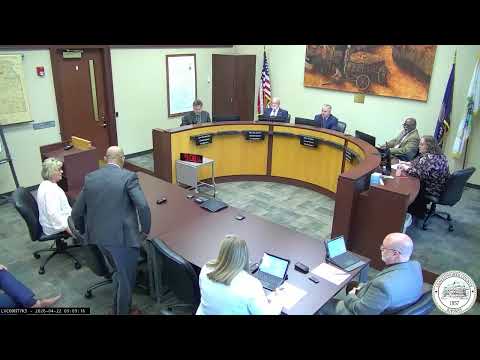
Leavenworth County approves $93.9M five‑year road plan after heated debate over dust‑abatement funding
Summary
After hours of debate about geographic fairness, the Leavenworth County Commission approved a $93.9 million five‑year road and bridge capital improvement plan and voted to change how annual dust‑abatement funds are allocated beginning in 2028.
Leavenworth County commissioners on Tuesday approved a five‑year capital improvement plan (CIP) for roads and bridges totaling about $93,915,000 but only after an extended discussion over how funding is distributed across commissioner districts.
Staff described the CIP as a comprehensive package that combines sales tax revenue, township funds and grants; the packet lists roughly $34 million from sales tax, $24,622,000 in other county funds and $32,680,000 in grants and township contributions. Staff told the board the recommendation prioritized maintenance and operational efficiency, including paving several isolated gravel segments to reduce long travel times for graders.
The debate that followed focused on long‑standing perceptions of imbalance in where paving and dust‑abatement dollars have gone. Commissioner Colbertson and others said northern districts have been "shorted" over decades and asked the board to prioritize catch‑up projects for those areas. Staff explained the history of the participatory road program (PRP), noting that some earlier projects qualified under a citizen‑funding threshold and that the county has since transitioned to CIP‑driven projects.
A motion to accept staff’s CIP recommendation (including the staff‑recommended roads in District 4) was moved and seconded. Separately, commissioners negotiated how to allocate an annual dust‑abatement line item (roughly $500,000 a year in the plan). After discussion about fairness, logistics and whether locally collected fees should stay local, the board approved a change that will divide the $500,000 dust‑abatement allocation among districts beginning in 2028 (the board’s motion clarified that the 2027 CIP would remain as presented, with the equalized allocation to start the following year). Commissioners also directed staff to draft a formal dust‑abatement policy that would define administration, carry‑over rules and whether privately funded applications can be accepted at 100 percent cost.
Staff said items in the CIP would improve operational efficiency and reduce long‑term maintenance costs; opponents warned that a slow, transparent plan is needed so property owners know how funds are prioritized. The board did not provide a district‑by‑district dollar breakdown in the public comments; commissioners said staff will return with policy details and options during the budget cycle.
The board also approved a separate, immediate request to accept a privately funded extension of paving on Happy Hall Road (see separate action), and it approved routine planning plats and two capital fund transfers during the same meeting.
Next steps: staff will draft the dust‑abatement policy the board requested and bring it back for further discussion before the 2027 program cycle.