Get email alerts on the Forensic Audit topic
No spam. Unsubscribe anytime.
Residents and supervisors clash over forensic audit process as board debates next steps
Summary
Citizens and several supervisors criticized the county's virtual forensic audit and its handling; the board debated whether to pursue further investigation, with an unsuccessful appeal of the chair’s ruling and calls for more document review and transparency.
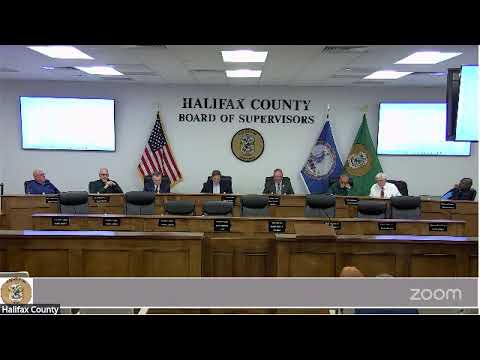
Halifax County residents pressed supervisors on the handling of a recent forensic audit and urged greater transparency, while board members disagreed over whether the county should pursue additional investigation.
At a joint meeting with the Planning Commission, multiple public commenters said the Premier Group’s forensic audit—conducted virtually—failed to locate hundreds of documents stored in county offices and did not include on-site interviews. “Why didn’t the auditors interview payroll benefits specialists, payroll clerks, who could have provided the necessary documents that they said were missing?” Karen Fisher asked during the citizens’ comment period. Jennifer Champion told the board she wanted an apology to community members she named and called for more public discussion of any plans to return a former employee in a “supervised fashion.”
Several supervisors defended and criticized the audit’s scope. Supervisor Witt said the audit found no evidence of fraud or missing funds and noted that state offices (the auditor of public accounts, the inspector general, and state police) declined to open further investigations. “This should bolster public trust that there are no wrongdoings in our county finances,” Witt said, urging the county to complete the 2024–25 audit and move forward.
Other board members raised procedural and evidentiary concerns. Supervisor McDowell and others emphasized that the audit report listed a low compliance rate for document requests—Premier reported a roughly 15% document compliance on random requests—and argued that many requested records remain in county files. “If those things were missing over a 20-year period…you should have obtained those documents when she resigned,” said another supervisor during debate, urging better internal controls.
The meeting included a procedural dispute about whether a Finance Committee recommendation had been properly presented to the full board. Supervisor Clayborne appealed the chair’s ruling on the point of order; the appeal went to roll call and failed (Yes: Supervisor Riddle, Supervisor McDowell, Supervisor Clayborne; No: Chair Roller, Supervisor Oaks, Supervisor Witt, Vice Chair Smart, Supervisor Thompson). The board did not adopt any new investigation at the meeting; supervisors instead discussed options for resolving missing documentation and recommended further internal review and possible closed-session legal consultation.
The board scheduled closed-session discussion of legal matters and the Berkeley Group forensic audit results under Virginia Code §2.2‑3711. Several supervisors said they would consider asking the original audit firm to return for on-site work or to allow the former finance director to assist in locating records. Board members also noted potential administrative reforms for the finance office if additional documentation or controls are needed.
The board did not vote to open a new, county-commissioned on-site forensic review during the public meeting. Several members said budget deadlines and the need to complete the 2024–25 annual audit make timing sensitive, while residents urged immediate, transparent action and clearer public explanation of next steps.
AI generated
The text on this page is AI generated. Summaries, highlights, analysis, and video transcripts are all produced from the original source material.
AI can make mistakes, so if you spot one, and we will fix it for everyone.
Note: the source content is unaltered by us. Any content source we link to, be it a video, an audio recording, or a document, is presented exactly as its publisher released it. That publisher is usually a government body, sometimes an individual official or another organisation.