Get Full Government Meeting Transcripts, Videos, & Alerts Forever!
Get email alerts on the Surveillance topic
No spam. Unsubscribe anytime.
Heated public comment as Kalamazoo residents split over Flock Safety license‑plate cameras
Summary
At the April 20 Kalamazoo City Commission meeting, dozens of residents and community groups testified both for and against the city epartment utomated license‑plate reader system, pressing the commission for clearer rules, audits and public data while police supporters credited the system with helping solve violent crimes.
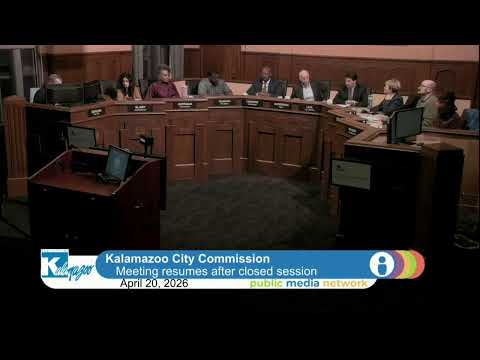
Dozens of Kalamazoo residents packed the commission chambers on April 20 and spent most of the public‑comment period debating whether the city should keep a network of Flock Safety license‑plate reader (LPR) cameras.
Supporters, including the Kalamazoo NAACP and pastors ffiliated with local community patrols, told the commission the cameras have become an essential investigative tool. "Flock safety cameras have played a crucial role in addressing several serious crimes," Wendy Fields, president of the Kalamazoo NAACP, said during public comment, citing cases from auto theft to homicide and urging continued use while calling for transparency about access and retention practices.
Opponents, organized in the Get the Flock Out of Kalamazoo campaign and joined by privacy advocates and technology researchers, argued the vendor contract and software create privacy, cybersecurity and oversight risks. "Flock has perpetual, irrevocable licenses to all customer data," said Lexi Jones, reciting contract language that campaign members say gives the company broad rights over captured data and limits local control. Other speakers described incidents and published reports showing problematic audits or vulnerabilities and urged a pause or stronger local safeguards.
The debate repeatedly returned to three practical questions residents want answered: what exact data the system stores, who can access it, and what independent audits or oversight exist. Ashante Collins, community chair at ALPAC Kalamazoo, urged both sides to agree on a public education process: "Public safety tools are strongest when they operate alongside public understanding," she said, calling for clear public information on what the system collects, retention times, permitted sharing, and auditing.
Police and neighborhood leaders pressed back against privacy claims they said were exaggerated. Multiple speakers and a former commissioner cited local homicide clearances and rapid recoveries of stolen vehicles and abducted children they attribute to license‑plate reader data. "LPR data was instrumental in every homicide case since 2021," Alejandro Rodriguez told the commission, listing statistics the department has published about declines in certain crime categories since the camera rollout.
Several residents urged the city to move beyond sound bites and host a detailed community forum where staff and KDPS (Kalamazoo Department of Public Safety) would show how the system works, what the transparency portal offers, and what contractual constraints exist. "Let's have the community ask their questions and get answers," Wendy Fields said; others suggested that the commission consider independent audits and more transparent reporting about lookups and cross‑jurisdictional access.
Speakers on both sides also raised ancillary concerns: aesthetic and safety issues about poles and mounts next to curbs, long‑term costs if vendor terms change, and the possibility that national lookup tools could expose local data to broader networks. Tech researchers and campaign members flagged security research alleging default passwords and exploitable access methods; supporters countered that KDPS has adjusted access and does not currently share local data with federal immigration enforcement.
What the commission did not do at the meeting was vote on Flock policy. Commissioners heard the comments but made no formal policy change; several urged staff to organize further public engagement. Vice Mayor Duncan and other commissioners said they would like more public education and opportunities for residents to see the system and its transparency tools firsthand. For now, KDPS operations and the city's contract remain unchanged; multiple speakers said they intend to press for follow‑up hearings and clearer audit mechanisms.