Get Full Government Meeting Transcripts, Videos, & Alerts Forever!
Get email alerts on the Youth Substance Prevention topic
No spam. Unsubscribe anytime.
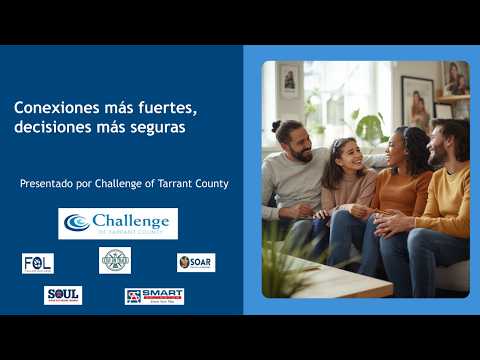
‘Conexiones más fuertes, decisiones más seguras’ workshop urges parents to strengthen communication to reduce youth substance use
Summary
A Spanish-language workshop hosted for district families emphasized building trust, using open questions and routine short talks to help young people avoid vaping, counterfeit pills and other substance risks; resources and a recorded session will be posted to the district YouTube channel.
A presenter from a local prevention coalition leading the Spanish-language workshop “Conexiones más fuertes, decisiones más seguras” urged parents to prioritize connection over control when talking with children about risky behavior.
The presenter, who said the coalition works with multiple county partners to prevent youth substance use, told attendees that “Los padres son la influencia número uno en las vidas de los jóvenes,” and said trusting adult relationships make young people less likely to use substances. The session was recorded for posting on the district’s YouTube channel and includes a small booklet, a longer guide and an activity notebook available via a QR code.
Why it matters: organizers warned that vaping is widespread among students, that marijuana products are common and that counterfeit prescription pills containing fentanyl have become a community risk. The presenter recommended practical steps parents can use immediately: ask open-ended questions that invite reflection, practice active listening, avoid interrogation and link household rules to family values rather than punishment alone.
Concrete takeaways offered in the session included using everyday moments—meals, walks or short errands—to hold brief but regular conversations (“60 charlas de un minuto son mejores que una charla de 60 minutos,” the presenter said), practicing role-play of difficult conversations, securing medications at home, and explaining consequences that connect to family values.
The presenter gave examples to model the technique: instead of a closed question that yields yes/no answers, try prompts such as, “¿Qué dicen tus amigos sobre el vapeo?” or “Escuché que tu amigo estuvo borracho en la fiesta. ¿Qué opinas tú y tus amigos de eso?” The workshop included brief audience exercises in which attendees described trusted adults from their own adolescence and discussed why those relationships were effective.
The session also urged parents to learn about counterfeit pills and fentanyl (fentanilo), which the presenter described as an emerging danger in the community, and recommended that families secure any prescription medications and learn basic overdose response steps (the workshop materials include guidance and resources).
The coalition said the recorded session and downloadable resources will be posted soon on the district YouTube channel and on the coalition’s website (a QR code shown in the workshop links directly to those materials). The presenter closed by inviting participants to reflect on one conversation they will start with a young person this week and how they will prepare for it.
The session focused on practical communication skills and community resources; there were no votes, motions or formal actions recorded.