Get Full Government Meeting Transcripts, Videos, & Alerts Forever!
Get email alerts on the Water Infrastructure topic
No spam. Unsubscribe anytime.
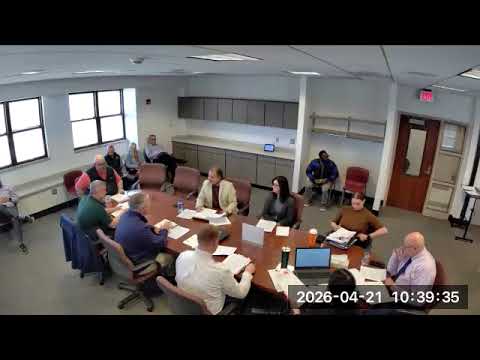
Commissioners weigh adding 50–60 homes to Blueprint Phase 2 water project amid attorney caution
Summary
Sanitary staff reported low bids well under the engineer's estimate on the Blueprint Phase 2 water project and proposed using leftover funds or a change order to add roughly 50'60 homes; the assistant prosecutor warned that using a change order to expand scope could raise contracting and legal risks and recommended consulting the EPA or rebidding the additional work.
Sanitary engineering staff told Trumbull County commissioners they received bids well below the engineer's estimate for the Blueprint Phase 2 water project and raised the possibility of expanding the contract to serve an adjacent area of roughly 50 to 60 homes.
Gary New (sanitary engineer) said bid openings showed a low bid of about $4.341 million against an engineer's estimate of $7.8 million. He described a proposal to use unit-price bid items or a change order to add a neighboring section to the awarded contract so residents who asked at a public hearing could receive water service in a future phase now, rather than waiting for a later round.
"The unit prices are already in the bid," sanitary staff said, noting pipe, hydrant and curve-box costs were itemized and could be applied to the additional work. Staff said the approach could avoid duplicative mobilization costs because equipment would already be on-site.
Assistant Prosecutor Bill Danzo urged caution. "I'm not a big fan of that," Danzo said, arguing that change orders are generally intended for unforeseen work during construction, not to expand the advertised scope. He suggested asking the U.S. Environmental Protection Agency whether it would allow the additional area to be handled as a separate contract or as a contingency before proceeding.
Danzo warned that expanding scope after award could expose the county to legal challenges from bidders who might claim the procurement was not competitive for the larger combined scope. He recommended either confirming EPA approval to add the scope under the existing funding or rebidding the extra work as a separate contract so unit prices could be competitively solicited.
Commissioners and staff discussed options for securing EPA flexibility or pursuing a separate contract quickly, and also noted the public-policy interest: several areas in the Southernington Township corridor reportedly lack safe, reliable well water and could benefit from earlier connection to public service.
No final award or change-order decision was made at the meeting; staff said bid review was ongoing and a recommendation was expected at a future agenda date. The sanitary engineer asked the board to allow staff to consult with counsel and the EPA about the best procurement path forward.