Get Full Government Meeting Transcripts, Videos, & Alerts Forever!
Get email alerts on the Rail Trail topic
No spam. Unsubscribe anytime.
Ossipee selectboard backs removing rails on 3-mile downtown stretch to advance rail-trail
Summary
The selectboard voted to recommend removing rails between Moldenville Road and Route 16 to speed a downtown rail‑trail project, citing accessibility and potential scrap revenue; at least one board member opposed the recommendation. The state (DNCR) is expected to fund initial work and the rail‑trail committee meets May 6.
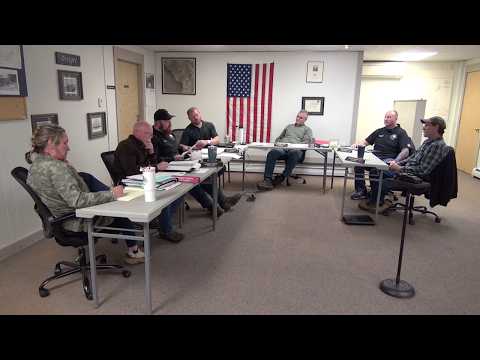
The Ossipee selectboard voted to recommend that the town's rail‑trail committee remove the railroad rails on the roughly three‑mile downtown stretch between Moldenville (Moltonville) Road and Route 16 to make way for a public trail.
A selectman moved the recommendation at the regular meeting; another member seconded it and the board approved the motion, with one member recording opposition. Supporters said removing the rails would allow construction of a continuous, handicap‑accessible trail for walkers, runners, bikers, snowmobilers and horseback riders and would produce scrap steel revenue to help pay construction costs.
"By pulling up these rails, you can get 5‑year‑olds up to 85‑year‑olds using this in a very safe way," a board supporter said during the discussion. Proponents also noted two commercial bike operators have expressed interest in running a tourist attraction along the route, which could provide local economic benefit.
Opponents and preservation advocates told the board that keeping the rails would preserve rail heritage and argued the trail alternatives could require wider rights‑of‑way and more costly construction in some locations. The Cotton Valley Rail Club was specifically identified in the discussion as an organized group that prefers retaining track infrastructure.
Board members said the state agency DNCR has indicated it will prioritize and fund the initial downtown section with leftover grant funds and that DNCR crews or grant resources could carry out removal and trail construction. The selectboard emphasized the recommendation does not obligate the town to fund the work; the motion was described as advisory to the rail‑trail committee and to DNCR.
The rail‑trail committee is scheduled to meet May 6; board members urged that meeting be used to solicit broad stakeholder input, including from snowmobile groups and rail‑preservation interests. If DNCR proceeds with the project, the board said rails south of Moldenville Road would remain in place for the time being and the state retains the right to reclaim the corridor should freight service ever be restored.
Next steps: the selectboard will forward its recommendation to the rail‑trail committee; the May 6 committee meeting was identified as the forum where project specifics and public engagement plans will be discussed.