Get Full Government Meeting Transcripts, Videos, & Alerts Forever!
Get email alerts on the Municipal Budget topic
No spam. Unsubscribe anytime.
Philadelphia administration proposes $50M-plus for schools with new rideshare, hotel and delivery levies
Summary
City officials asked Council to approve a package of FY27 revenue measures including a $1 rideshare tax, a 2-point hotel room tax increase and a 25-cent retail delivery fee to fund schools, homeless services and street repairs. Council members pressed for data on distributional effects, legal limits under the Uniformity Clause, and which riders or companies would ultimately bear the cost.
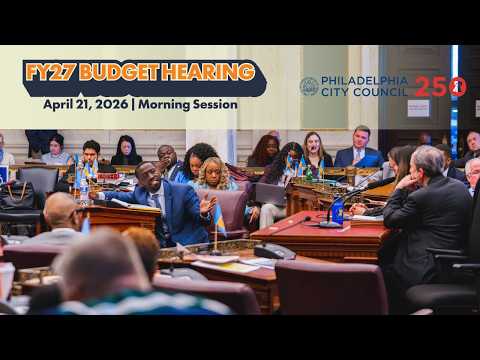
The City administration presented a suite of revenue measures to the Committee of the Whole as part of its proposed FY2027 operating and capital plan, saying new recurring money is needed to preserve services and school staff lost with the end of pandemic-era federal aid.
Finance Director Rob Dubow told Council the five-year plan includes "642 million in crucial new operating investments" and warned that the city faces long-term fiscal pressures, including a large FY2029 balloon payment. He said "any new or expanded key service investments require new recurring revenue sources." Administration witnesses described targeted proposals — not a general tax increase — intended to anchor those investments.
Chief Education Officer Dr. Deborah Carrera said two measures would generate "more than $50 million annually" for the School District: a $1 transportation network company (TNC) tax on rideshare trips beginning January 2027 and a modernization of the use-and-occupancy tax for cell towers (basing fees on bandwidth rather than square footage). Dr. Carrera said the revenue would help retain about 340 school-based positions that were initially funded with one-time COVID-era dollars.
Cheryl Hill, executive director of the Office of Homeless Services, described a $110 million five-year package to add 1,000 shelter beds and expand services at the Hub of Hope and said the administration proposes a 2 percentage-point increase in the hotel room rental tax, effective Aug. 1, 2026, that it estimates would generate about $20 million a year to support those investments.
Streets Commissioner Kristin Del Rossi said the plan includes a 25-cent retail delivery tax on certain taxable consumer deliveries (with essential medicines exempt) to fund a citywide pothole squad and more proactive street repairs.
Council members asked detailed questions about who would ultimately pay the TNC levy. "The legislation says the TNC shall collect the tax as agent for the Board of Education from the passenger at the time of the charge," Councilmember Jeffrey J. Young said; administration witnesses agreed the companies will collect the charge but stressed companies can choose pricing strategies that change how the dollar is reflected to consumers. Several members pushed back that the text and practice should align: "If the legislation protects that the riders are the payers, that's a non-starter," one council member said.
Members also pressed legal and distributional points. Rob Dubow and Revenue Commissioner Kathleen McCauley (testifying later in the hearing) cited the Pennsylvania Uniformity Clause as a constraint on targeted local taxes and said the city had reviewed options. The administration said it looked at comparisons with other cities and Census commuting data showing rideshare usage tends to rise with income; Councilmembers disputed whether those comparisons were adequate for Philadelphias lower-income population.
Councilmember Dr. Anthony Phillips highlighted impacts on small homeowners and applicants of a proposed increase to Zoning Board of Adjustment application fees (from about $300 to $811), asking what cost analysis justified a roughly 170% jump; the administration said the fee changes were meant to reflect the cost of service and projected about $500,000 annually from the ZBA fee update, roughly $2.5 million over five years.
The administration said it has engaged hospitality and TNC industry representatives but emphasized the city needs predictable, recurring revenue rather than one-time donations.
What happens next: Councilmembers said they would seek more detailed written analyses of projected revenues, the legal interpretation of who bears the cost, and distributional impacts on riders, low-income neighborhoods and drivers. The committee recessed for a short break and planned follow-up questioning when the School District and additional administration finance staff were to appear.