Get Full Government Meeting Transcripts, Videos, & Alerts Forever!
Get email alerts on the Privacy And Free Expression topic
No spam. Unsubscribe anytime.
Experts warn administration is combining sensitive data and chilling speech; senators ask for stronger oversight
Summary
Witnesses told the committee the administration has combined tax, health and Social Security data, tracked location through data brokers, and may use spyware; they urged Congress to use oversight, funding conditions, and legal remedies to protect privacy and free expression.
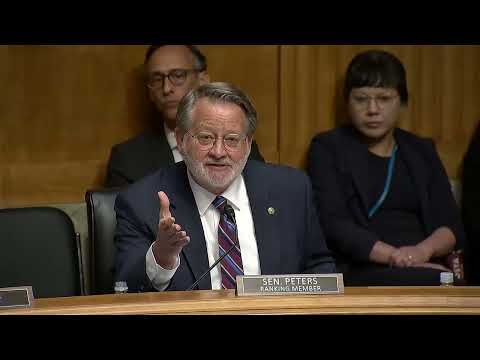
A senator told the Senate Committee on Homeland Security and Governmental Affairs that recent administration practices raise serious Fourth Amendment and First Amendment concerns, saying the administration "has basically discarded decades-old privacy protections" by combining sensitive tax, health and Social Security data and tracking Americans through data brokers.
The senator asked Professor Laddick why citizens should be worried about government collection and use of data now that many people share information online. Professor Laddick replied that concern is heightened by examples of alleged retaliation, saying the administration has "retaliat[ed] against people because of, for example, what's in their social media profiles," and has denied visas or taken other adverse actions against people for protected expression.
Witnesses described a range of surveillance-related practices that worry civil-liberties observers: aggregation of sensitive datasets, location-tracking via commercial data brokers, monitoring of social media, and the potential use of spyware to access phones. Committee members also raised allegations that the administration revoked press credentials and pressured recipients of federal grants to adopt political positions.
Professor Laddick recommended that Congress use its oversight tools — nominations and budget hearings, targeted oversight hearings, and conditioning of federal funds — to scrutinize and, where appropriate, limit or condition agency conduct. He also urged making it easier for people whose speech has been chilled to sue directly, noting that private litigation and statutory remedies can be necessary complements to congressional oversight when courts and agencies cannot address every violation.
The committee recorded no legislative action during this exchange. Senators and witnesses said the next steps include continued oversight and potential policy proposals to protect privacy and free expression.