Get Full Government Meeting Transcripts, Videos, & Alerts Forever!
ESCAP report warns Asia‑Pacific growth is slowing and urges a just energy transition
Summary
Hamza Malik of ESCAP outlined a slower post‑pandemic recovery for Asia‑Pacific, flagged the Middle East conflict and rising protectionism as near‑term risks, and said energy transition must be paired with macroeconomic stability and targeted social measures to avoid harming vulnerable groups.
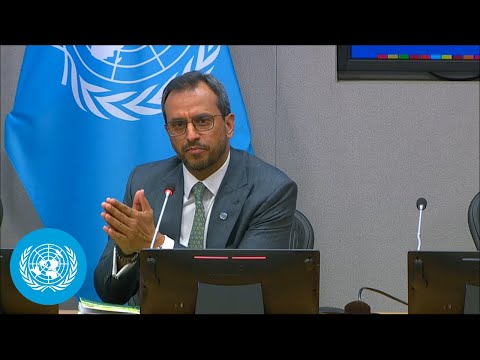
Hamza Malik, director of macroeconomic policy and financing for the United Nations Economic and Social Commission for Asia and the Pacific (ESCAP), launched the commission’s annual Economic and Social Survey of Asia and the Pacific in New York, saying the region’s post‑pandemic recovery remains below pre‑pandemic levels and faces fresh risks from geopolitical shocks.
"The pre‑pandemic average growth was around 5.5% and it's been hovering lower," Malik said in his opening remarks, and the report projects regional growth near 4% for 2026 under the baseline scenario. Malik told reporters the publication was closed for data and forecasting on March 17, and that the team incorporated a targeted assessment of the Middle East conflict into scenarios and footnotes.
The report sets out two central policy priorities for member states: bolster domestic and regional sources of demand…
Already have an account? Log in
Subscribe to keep reading
Unlock the rest of this article — and every article on Citizen Portal.
- Unlimited articles
- AI-powered breakdowns of topics, speakers, decisions, and budgets
- Instant alerts when your location has a new meeting
- Follow topics and more locations
- 1,000 AI Insights / month, plus AI Chat