Get Full Government Meeting Transcripts, Videos, & Alerts Forever!
Get email alerts on the Federal Funds topic
No spam. Unsubscribe anytime.
Treasurer Connie Bowen reviews $4.2 million in federal funds, warns some grants face cuts
Summary
At the April 13 Maple Heights City School Board meeting, Treasurer Connie Bowen outlined the district's federal funding for the current year (about $4.2 million), detailed how Title I, IDEA Part B and other grants are spent, and cautioned that some programs face possible federal reductions.
Treasurer Connie Bowen told the Maple Heights City School Board on April 13 that the district expects about $4.2 million in federal education funding for the current school year, down from roughly $4.9 million in fiscal year 2025. Bowen said the largest single federal allocation is Title I, which provides just over $2.2 million to support instructional staff, administrators and family-engagement activities.
Bowen said federal grants must be used to fund programs that are new or supplemental to district services, not to pay for positions the district would already support from the general fund. "We are not allowed to spend any of the funds on something that we're currently doing. It all has to be a new program and once it's paid for with federal funds, we can continue it," she said.
The treasurer itemized other federal grants: Title II (about $233,000) to support teacher development and two curriculum coaches; Title IV (just under $175,000) directed toward student supports and academic enrichment (including tutors and transportation); IDEA Part B special-education funds (about $878,000) that cover intervention staff, administrator cost defrayal and more than $600,000 used for tuition when students are placed in programs outside the district; and nearly $24,000 in McKinney-Vento funds used primarily for transportation for students experiencing homelessness. Bowen also noted smaller allocations for early-childhood special education and psychological-intern support.
Bowen cautioned the board and public that some federal programs are at risk: she referenced an Education Week story about a White House proposal to cut roughly $8.5 billion from K-12 programs and said state guidance so far indicates the district may still receive similar funding levels this year, but "we're always kind of on edge" about potential reductions, particularly for competitive grants such as 21st Century and for McKinney-Vento funding.
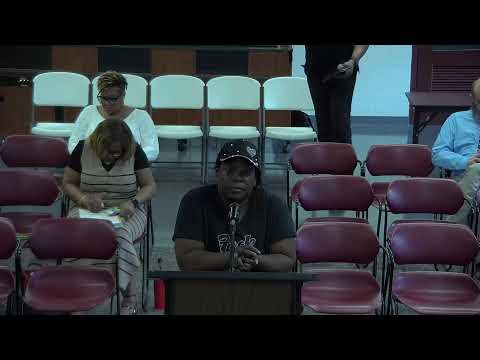
During public Q&A, a community member raised concerns about lengthy waiting lists for high-school and middle-school services paid through federal funds. Bowen suggested parents meet with the superintendent for program-level details and agreed the district has more needs than funds can cover.
The update fulfilled the annual federal-funds reporting requirement to the Ohio Department of Education and provided the public an opportunity to comment on how the district spends those funds.