Get Full Government Meeting Transcripts, Videos, & Alerts Forever!
Get email alerts on the Municipal Budget topic
No spam. Unsubscribe anytime.
City presents $4.9 billion FY27 budget as health insurance, school costs drive difficult tradeoffs
Summary
Boston's administration told the City Council's Ways and Means committee that the FY27 recommended operating budget is $4.9 billion, driven chiefly by a $97.3 million rise in health insurance costs and $50 million in public‑education growth. Officials said departments will see targeted reductions (about $20.4M) and discretionary grants fall by roughly $12M to balance a constrained revenue picture.
Boston's finance officials on April 14 presented a $4.9 billion recommended operating budget for fiscal 2027, warning the City Council's Committee on Ways and Means that slow revenue growth and large increases in health‑care and education costs require targeted cuts and careful use of reserves.
"The FY27 recommended budget is $4.9 billion and is a thoughtful, responsible financial plan that honors the city's commitments," Chief Financial Officer Ashley Griffin Burger said as she opened the administration's presentation. She and Budget Director Jim Williamson told councilors the plan limits spending growth to 2.1% ($99.4 million) while preserving core services.
The administration said property tax will remain the dominant revenue source, accounting for about 73% of general‑fund receipts, and that the budget assumes the city will maximize the allowable levy increase and recognize $40 million in new growth. Officials also said they are budgeting more conservatively for interest income and some departmental revenue categories.
Health insurance was singled out as the largest single expenditure pressure. "The health insurance costs alone represent an increase of just over $97 million over FY26," Williamson said, attributing the rise to unexpectedly large claims, greater GLP‑1 medication use, and efforts to rebuild the city's health insurance trust. He added that the administration negotiated utilization‑management changes with unions to moderate growth.
Williamson provided specific recent figures on GLP‑1 spending: "In calendar year 2025 we spent just under $48 million on GLP‑1 medications...and in FY2026 year‑to‑date we've spent $16.1 million," figures he said are materially affecting the city's health costs.
Public education also drives costs in the plan, the administration said, with a $50 million net growth estimate: roughly $40 million in growth for Boston Public Schools and about $10 million tied to charter school assessments.
To offset those pressures, the budget identifies targeted reductions and savings: a glide‑path pension schedule intended to lower near‑term contributions while preserving full funding by 2028; modest net savings from refundings on the debt‑service side; and a 1.3% ($20.4 million) aggregate reduction across departmental budgets. The administration emphasized that it did not assume layoffs of filled city positions and instead relied on eliminating long‑term vacant slots and increased salary‑savings assumptions.
The administration also reported about $12 million in discretionary grant reductions compared with FY26 and said many other savings will come from reduced contracted services, supplies and equipment. When councilors pressed for specifics, staff agreed to provide the council a department‑by‑department breakdown of grant changes and a list of organizations likely to be affected.
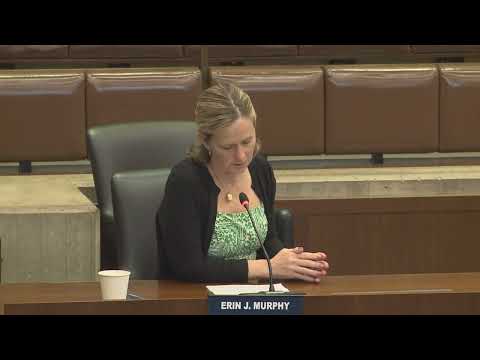
Council members repeatedly pressed for more granular documentation and for assurances about the budget's operational assumptions. Councilor Murphy said she had received reports that nonprofits and students were already seeing notices that funds or year‑round job positions were being cut. "I've received outreach from students that their jobs are being cut," she said, asking the administration to supply a list of affected organizations and the underlying departmental communications.
The administration also reiterated its fiscal‑prudence stance on one‑time resources: it reported the city's certified free cash at $601 million and an unassigned fund balance of about $1.2 billion but warned that free cash is a one‑time resource and should not be used to backfill ongoing costs.
The committee heard public testimony from Gregory Maynard of the Boston Policy Institute, who urged separate, deeper hearings on revenue forecasting and health‑care spending trends, and from a Roslindale resident who warned that neighborhood displacement and small‑business losses can undermine local tax receipts.
Next steps: the council will hold departmental hearings through June to probe individual program budgets, staffing assumptions and the grant reductions the administration identified. The administration agreed to provide the council with requested lists and breakdowns on grant recipients, long‑term vacancies and department‑level cuts.