Get Full Government Meeting Transcripts, Videos, & Alerts Forever!
Get email alerts on the Land Use Development topic
No spam. Unsubscribe anytime.
Jessamine County approves phase one of proposed off-grid distillery
Summary
Jessamine County Commission B on Feb. 18 approved a phase-one development plan for a proposed distillery that will use propane-backed batteries initially and add solar and anaerobic digestion in later phases; commissioners asked about emergency access, geotechnical risks, propane tanks and lithium-battery safety before approving the plan.
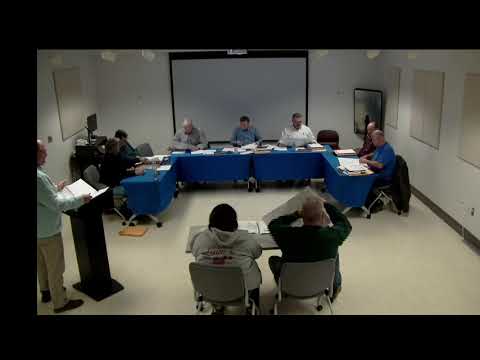
Jessamine County Commission B voted to approve a phase‑one development plan for a proposed distillery during its Feb. 18, 2025, business session after a presentation on site access, stormwater management and staged energy systems.
The approval followed a detailed presentation from the project's applicant, who described a phased approach: phase one will build the distillery structure, stormwater improvements and a construction entrance; later phases would add a visitor center, a solar array and an anaerobic digester to produce biogas and compostable solids. Robert Farmer, chairman of the planning commission, was noted in the record as available to answer questions during the review.
Why it matters: the project combines industrial use with on‑site agricultural production and an ambitious off‑grid energy plan. Commissioners focused on public‑safety and infrastructure questions that affect neighbors and county service responsibilities — including whether the county would inherit maintenance of a well, how deliveries and emergency vehicles would use local roads, and what inspections would be required for fuel and battery systems.
The applicant said the distillery would not connect to public water or gas in early phases. "We're not connecting the water. We're not connecting the gas. It's all going to be battery, solar power, generator, water, bio gas," the applicant said, describing the plan to start with propane‑fired generators charging batteries and to add solar panels and anaerobic digestion in later phases. The presenter also said site work aims to remain outside the floodplain where feasible and that a secondary emergency exit on the property would be retained for emergency use only.
Commissioners pressed technical and safety points. A commissioner asked about potential hazards from a large lithium battery pack; staff responded that safety studies and inspections would be required before implementation and that generation/transmission partners typically require independent reviews. On fire safety and containment, staff referenced state review requirements and cited "Section 430," the rule set discussed in the presentation for distilled‑spirits warehousing and retention/containment between buildings.
The record shows the applicant plans to use a diesel‑driven fire pump and to keep propane tanks above ground. The applicant also described additional geotechnical work: the distillery footprint shifted slightly and consultants will perform geophysical exploration to identify subsurface voids and reduce sinkhole risk near planned detention and retention areas.
Commissioners also discussed operational logistics: construction deliveries will be routed to avoid residential streets, temporary parking and laydown areas will be provided on site during construction, and public access (including a visitor center) would not occur until later phases after conditional‑use approvals and additional plan reviews.
Motion and vote: a motion to approve the phase‑one development plan was made and seconded; multiple commissioners recorded "yes" votes on the record, and the motion carried. The county recorded yes votes from named attendees during the roll call on the motion and moved forward with filing/signature steps to finalize the plan submission.
Next steps: staff and the applicant said further presentations and follow‑up approvals will be required for phase two and phase three elements (visitor center, residential components, and renewable energy installations). The planning and permitting process, additional geotechnical reports and required state inspections were described as prerequisites before operational or public‑facing uses begin.