Get Full Government Meeting Transcripts, Videos, & Alerts Forever!
Get email alerts on the Municipal Budget topic
No spam. Unsubscribe anytime.
Greenville City previews FY27 budget, proposing larger public safety, stormwater and affordable housing investments with no millage increase
Summary
City officials presented a preliminary FY27 budget in a workshop that prioritizes public safety, increased stormwater funding and expanded affordable-housing allocations while holding the millage rate steady; public hearings and readings are scheduled in May.
Greenville City officials presented a preliminary FY27 budget in a public workshop, proposing increased funding for police and fire operations, a larger stormwater capital program and higher allocations for homelessness services and affordable housing while keeping the millage rate unchanged at 81.4 mills.
The presenter, Shannon, told council members the proposal is an informational first workshop and emphasized that “Every dollar is purposefully allocated to bolster our emergency services, enhance public safety, and promote the overall well-being of our citizens,” reiterating the budget’s alignment with Greenville 2040 priorities. Patricia Dennis, who led fund-level numbers, said the proposal projects FY27 revenues of $158 million and expenses of $161 million, leaving an estimated use of fund balance of about $3.1 million and an available fund balance of roughly $11.1 million after a 20% reserve.
Why it matters: The draft directs a larger share of operating resources to public safety and infrastructure while avoiding a property-tax increase. Council members pressed staff on CIP carryforwards, project timelines and how one-time reserves and interest earnings are being used to balance the proposal.
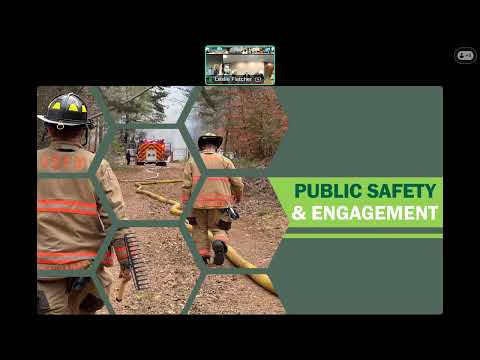
Public safety and technology: The budget proposal allocates funding for continued body-camera replacement, equipment and fleet maintenance, an upgraded firing range and a proposed real-time crime center to integrate public-safety data for faster, coordinated responses. Shannon said crime has declined in recent years — “violent crimes were down 16% from 2024. Property crimes were down 15% and part one crimes were down 15%” — and presented the crime-center investment as a tool to improve emergency response and officer safety.
Fire, public works and infrastructure: The budget includes funds to open a replacement fire station on Stone Avenue later this year and to add positions to maintain minimum staffing levels. Public works will receive investments in vehicles, equipment and ongoing facility maintenance (HVAC, elevators) and a new $2 million CIP line item for engineering infrastructure was added to accelerate project planning and delivery across the city.
Mobility, parks and economic development: Council heard proposals to modernize signals in recently annexed areas, expand sidewalks and traffic-calming measures, and continue major trail projects including the Orange Line and the Zoo Trail. Parks, Recreation & Tourism will move forward with a department master plan and an urban forest plan; the Nickeltown Community Center will be the city’s first designated resilience hub. Economic development funding has increased, including a city development initiatives account to provide flexible funding for corridor projects and public–private partnerships.
Affordable housing and homelessness: The draft increases funding for homeless support services from $500,000 to $750,000 and adds $500,000 to an existing $2.5 million set-aside for affordable housing programs. An RFP for the Haney Stream development was released, with responses due May 1.
Fiscal approach and next steps: Patricia Dennis said the millage rate and business-license rates are unchanged and described the use of interest earnings and capital project reserves to reduce reliance on fund balance. Key dates noted were a second budget workshop on April 27, a project preview meeting on April 28, a public hearing and first reading on May 11 and a second reading coinciding with the state of the city on May 18. The session concluded with council moving into executive session to discuss a contract item.
Council review and questions: Members asked for line-item-level CIP carryforward detail, two-year horizon estimates for projects, and clarity on facade and corridor funding allocations; staff agreed to provide more detailed breakdowns before the next workshop. The presenter noted partnerships (including with conservation and county partners) to stretch open-space acquisition dollars.
What’s next: Staff will publish the presentation materials to council that evening and follow up with requested line-item details ahead of the second workshop and the public hearing.