Get Full Government Meeting Transcripts, Videos, & Alerts Forever!
Get email alerts on the Utilities topic
No spam. Unsubscribe anytime.
Acton water‑district candidates field tough questions on rates, reserves and PFAS treatment costs ahead of special vote
Summary
Water‑district candidates discussed an April special meeting to vote the budget, possible rate adjustments, transparent reserve management and technical PFAS treatment costs; candidates urged clearer rate‑setting procedures and better public outreach.
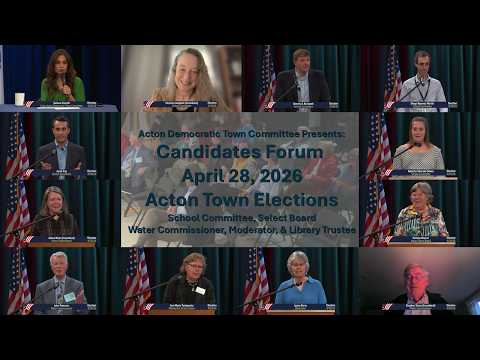
Two candidates running for Acton’s water district used the Democratic Town Committee forum to preview a special meeting on April 22 to vote the district budget and to flag tensions over rate setting and long‑term treatment costs.
Stephen Stunts, speaking remotely, urged residents to attend the special meeting and said the board would listen to voter concerns if voters rejected the budget. “One reason we’re having the meeting so soon is in case something goes wrong... we still have time for another meeting to approve a budget,” he said, adding commissioners would make adjustments as needed before reconvening voters.
John Peterson, who has served on the school committee and the water‑district finance committee, focused on clearer communications and reserve accounting. Peterson criticized the warrant language and presentation of reserves and said the district should present total reserves and explain how they would be used during stress scenarios. On treatment costs, Peterson addressed PFAS treatment planning (the transcript referenced the treatment term as "PAS"): he urged budgeting against a reasonable lifecycle cost range for granular‑activated carbon or other treatment media and warned that “non‑detect” is not zero — risk never goes to zero and choices reflect balancing risk and cost.
Both candidates said the commissioners are the practical rate‑setting body and recommended codifying a rate‑setting process tied to the budget cycle to reduce confusion at annual meetings. They also pointed to website and warrant improvements to make technical topics — PFAS testing and treatment options, for example — more accessible to voters.
Residency turnout and outreach were recurring themes: candidates said better public materials, a more user‑friendly website and consistent presentations would help voters evaluate tradeoffs.
Next steps: the water district will meet to finalize proposed adjustments before the April 22 special meeting; voters are encouraged to read the warrant and attend.