Get Full Government Meeting Transcripts, Videos, & Alerts Forever!
Get email alerts on the Charter Governance topic
No spam. Unsubscribe anytime.
Bridgeport council workshop weighs shifting meeting control from mayor to council president and limits on tie-breaking
Summary
At a charter-revision workshop, Bridgeport council members debated moving regular meeting chair duties from the mayor to the council president, whether the president should retain a regular vote plus a limited second 'casting' vote to break ties, and related officer-title and veto-power changes. The committee asked staff to draft precise language and return with options.
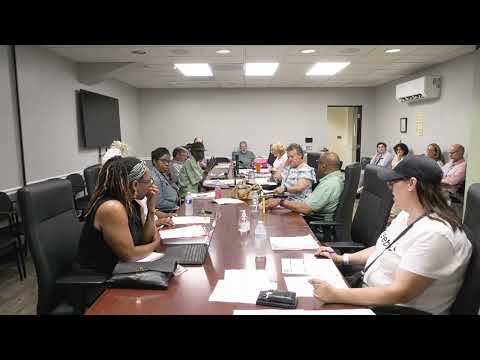
Bridgeport City Council members spent the bulk of a workshop debating how a revised charter would reallocate meeting authority and voting power between the mayor and the council.
Supporters of moving regular chairing duties from the mayor to the council president said the change would strengthen legislative independence. Opponents cautioned that the draft must include guardrails — for example, limiting any additional voting power to narrowly defined tie-breaking situations — and warned that drafting errors could create unintended super‑majority effects.
The discussion focused on two linked questions: whether the council president should preside at regular council meetings instead of the mayor, and whether the presiding officer should have a second, limited vote to cast only in tie situations (with explicit exceptions such as elections for council president or certain ordinance adoptions). Committee members referenced the current charter language and Robert's Rules when weighing those options and asked staff to prepare precise draft text reflecting the committee’s direction.
Members also addressed internal officer titles and succession: several speakers recommended removing numerous titles now used informally (deputy majority leader, multiple deputies, sergeant‑at‑arms) from the charter and instead codifying a simple succession rule — for example, the majority leader presiding in the absence of the council president, with a temporary election if both leaders are absent. “We should operate as a council,” one member said, arguing for clearer, limited powers rather than expanding authority by ordinance.
The workshop included a separate review of veto language and the timing for overrides. Committee members questioned a draft phrasing that would allow the mayor to disapprove ‘every affirmative vote,’ arguing that the mayor’s veto should be confined to ordinances and budgetary actions and that the charter should clarify the council’s process and timeline to consider overrides (participants suggested requiring the council to act at the next regular meeting so vetoes do not linger indefinitely).
The committee asked staff to revise the draft to: (1) remove or sharply narrow extra voting authority for the council president while preserving a limited tie‑breaking mechanism if the body wants it; (2) relocate or eliminate informal officer titles from the charter and define short, clear succession language; and (3) refine veto and override timing language. The committee did not vote on final charter text and will reconvene to consider the redrafted provisions.