Get Full Government Meeting Transcripts, Videos, & Alerts Forever!
Get email alerts on the Massage Licensing topic
No spam. Unsubscribe anytime.
Council tables massage-licensing ordinance after provider concerns about exemptions
Summary
Facing written and in-person comments, Boonton Council voted to table Ordinance 6-26 (licensing and regulation of massage/bodywork establishments) so council members can refine language; an acupuncturist asked that licensed acupuncturists be explicitly exempted.
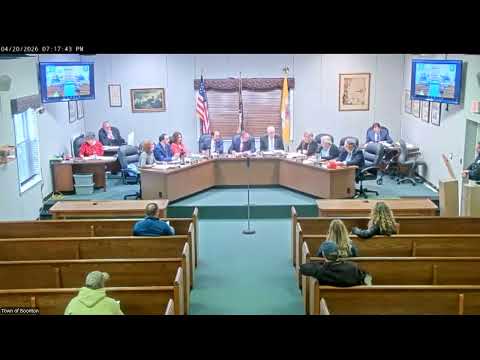
Boonton — The Town Council on April 7 tabled Ordinance 6-26, which would license and regulate massage, bodywork and somatic therapy establishments, after council members and members of the public raised concerns about the ordinance’s scope and exemptions.
Council moved to table the ordinance to allow further drafting and outreach. The motion passed on a roll call that recorded multiple affirmative votes. Council members said there has been a large volume of correspondence and that additional language clean‑ups are needed before resuming the public hearing; members volunteered to lead revisions and proposed rescheduling the public hearing for the May 4 meeting.
During the public comment period, Dr. Susanna Pittman, who identified herself as owner of Balance Acupuncture Center at 550 West Main Street and a 26‑year practitioner, thanked the council for tabling the ordinance and urged a targeted change: add licensed acupuncturists to exceptions listed in the ordinance (sections A–C). Pittman said many somatic techniques used in medical settings are gentle, often performed clothed, and within state scope of practice for acupuncture and related modalities. “By excluding acupuncture within this specific section, it limits the ability for acupuncturists like myself to incorporate that into practices, which ultimately then limits access to care,” Pittman said. She offered to work with the council to craft language that prevents exploitation while preserving legitimate therapeutic practice.
Why it matters: The ordinance seeks to address exploitation concerns in some businesses, but local health practitioners argued the draft language could unintentionally restrict licensed medical or therapeutic providers. Council’s decision to table enables staff and council members to reconcile public-safety goals with exemptions for licensed medical professionals.
What’s next: Council members will revise ordinance language and advertise the revised public hearing date; May 4 was suggested as a potential date for reintroduction and public comment.