Get Full Government Meeting Transcripts, Videos, & Alerts Forever!
Get email alerts on the Superintendent Accountability topic
No spam. Unsubscribe anytime.
Community members demand immediate removal of superintendent after climate survey
Summary
Dozens of residents and staff told the Oyster River Coop School District board they want Superintendent Dr. Shaps removed immediately after an NEA‑NH climate survey and several grievances; speakers cited lack of trust, alleged retaliation, and a teacher vote of no confidence and urged the board to use contract authority to terminate his employment.
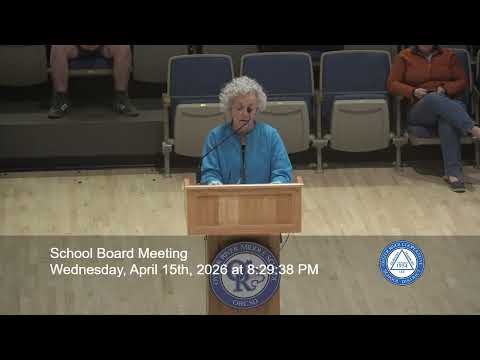
Dozens of community members and district staff used public comment at the Oyster River Coop School District board meeting to demand the immediate removal of Superintendent Dr. Shaps, saying results of a recent climate‑and‑culture survey and a wave of grievances show the district lacks confidence in senior leadership.
The most pointed calls came from teachers, parents and community leaders who said the survey—conducted by NEA New Hampshire and released to the public this spring—showed overwhelming staff dissatisfaction. "The majority of the staff does not want the current superintendent to remain in his position," said Kika Bower, citing the survey. "The superintendent needs to be terminated immediately by the school board." James Po Lee, a community member, told the board that "Section 8B1 of the superintendent's employment contract gives you the explicit authority to secure his immediate discharge whenever the interests of the district require it."
Speakers described a pattern of stifled staff voice and alleged that guild leadership had been prevented from presenting the survey through standard channels, prompting educators to bring concerns in public comment. "When the guild attempted to present these findings formally, the board chair denied the agenda," one commenter said, adding that educators were forced to present during public comment to be heard.
Board members read a statement earlier in the meeting saying the board supports educators and will conduct the superintendent's evaluation "in accordance with his contract and established policy," and that it has requested more specific information to fully understand the feedback. That statement drew criticism from multiple speakers as insufficient. "Without transparency, optics are all the public has," a community member said.
Not all speakers urged immediate termination. At least one commenter cautioned against an early, costly legal fight, noting the superintendent has said he plans to retire within about 14 months and suggesting the board examine what went wrong in the last superintendent search.
The board closed the meeting by voting to enter non‑public session under RSA 91‑A:3(c) to consider matters likely to affect the reputation of a person. The board did not take an immediate public vote to terminate employment during the meeting.
Why it matters: The dispute centers on trust between district staff and central office leadership, with potential operational consequences (staff retention, morale and daily instruction) and legal‑contractual implications for the board. Next procedural step noted at the meeting: the board entered non‑public session to discuss personnel matters; no public action on termination was announced at the meeting.