Get Full Government Meeting Transcripts, Videos, & Alerts Forever!
Get email alerts on the School Budget topic
No spam. Unsubscribe anytime.
Custer School District 16-1 hears budget review warning of roughly $1.2 million hit from Senate Bill 245
Summary
District presenter Dr. Tim told the school board that changes in the state funding formula (Senate Bill 245), falling enrollment and rising costs create a structural deficit that could reduce general-fund revenue by about $1.22 million and force program or staffing adjustments.
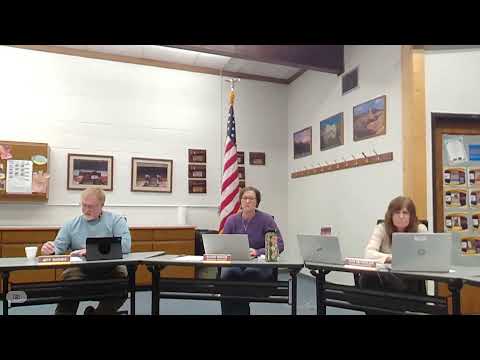
At its meeting, the Custer School District 16-1 board heard a strategic budget alignment presentation in which district presenter Dr. Tim warned that a recent funding-formula change (Senate Bill 245) and declining enrollment have created a structural deficit that could reduce the district’s general-fund revenue by roughly $1.22 million.
Dr. Tim, who led the presentation, said the district faces several compounding pressures: the end of temporary COVID-era funding, continued declines in K–12 enrollment (including growth in alternative-education enrollments), rising insurance and energy costs, and state-level teacher-pay accountability requirements. "It's going to impact us about $1.2 2 million ... receiving less revenue," he said during the presentation.
Why it matters: the district’s per-student funding and capital outlay calculations are sensitive to enrollment. Dr. Tim said the district was funded at 843 students for the current year and expects enrollment closer to about 829 next year; those shifts, combined with the new formula, lower both general-fund and capital-outlay revenue. He explained the district currently borrows from capital outlay (roughly $700,000 a year, as presented) and draws on reserves, which reduces flexibility for future building and transportation projects.
Key numbers presented included a projected 10.7% increase in health-insurance costs, an illustrative energy-cost increase of about $81,770, and the target teacher salary for the FY2026 funding formula (stated as $63,700, with a minimum teacher salary cited as $46,000). Dr. Tim also highlighted that the district funds roughly 140 positions but said certified staffing levels would need to be closer to about 110 certified positions to align with projected revenue.
Board members pressed for clarifications about levies and whether the district could raise local levies to offset the shortfall. One board member, Larry, asked whether the district was currently at the maximum levy and suggested the board "go back up to the max" to see the effect on revenues. Dr. Tim responded that even when the district was at levy maximums in the past it remained outside of state aid eligibility and that some levies (capital/general) had not been maxed previously.
Discussion also touched on local sales-tax possibilities and other legislative changes that could shift tax burdens. Dr. Tim mentioned a separate gubernatorial bill referenced in the presentation and cautioned that adding local sales tax or other local options could change how property taxes and state aid interact, potentially lowering property taxes but also affecting state-aid eligibility.
Procedural actions: the board approved the meeting agenda by voice vote at the opening of the meeting. Later the board moved, seconded and approved a motion to enter an executive session for matters described as SDCL 1-25-2 (personnel/contracts) and related contract negotiations.
What comes next: Dr. Tim and administrators asked the board to consider options for reducing expenses and for district advocacy with legislators in Pierre to address funding formulas; no formal budget reductions or staffing actions were adopted during the public meeting portion recorded in the transcript.
(Reporting note: article quotes and details are drawn from the district presentation and public Q&A recorded in the meeting transcript.)