Get Full Government Meeting Transcripts, Videos, & Alerts Forever!
Get email alerts on the Energy topic
No spam. Unsubscribe anytime.
Council backs resolution to seek state tax exemption for proposed Austin Energy Station
Summary
Council unanimously approved a resolution urging the state to exempt generation equipment for a proposed Austin Energy Station from personal property tax; presenters said the 49‑megawatt, ~$85 million facility would help replace retiring coal generation and aim to be online by Dec. 31, 2030.
Austin City Council voted to send a resolution to the state supporting a legislative exemption of generation equipment from personal property taxes for a proposed Austin Energy Station, a project city and regional utility officials say would produce about 49 megawatts and cost roughly $85 million.
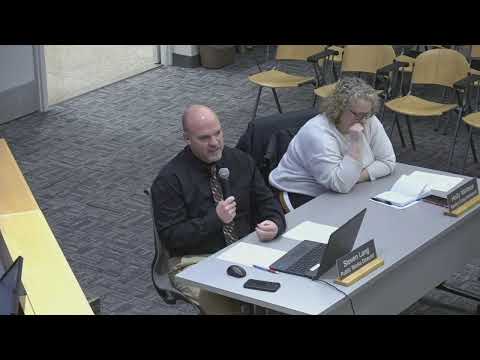
Tom Danker, the presenter, told the council the SEA membership needs new local generation as the SHO3 coal plant is slated to shut down by Dec. 31, 2030. "They can generate 49 megawatts of electricity themselves," Danker said, describing the station as a way to provide local resilience if transmission lines are cut. He said the project would still result in conventional property taxes paid to the city, county and school district even if generation equipment were exempted from personal property tax.
City staff and presenters said the station is expected to run regularly — not only at system peaks — because the region will be replacing baseline coal generation. They said a preferred site is at the Northeast Power Plant on a former coal‑plant footprint and that the timetable anticipates design, permitting and multi‑year construction with a goal of operation by the end of 2030.
Council members asked about operating profile, nearby residences and permitting. Presenters said the facility would be designed to limit offsite impacts, use modern enclosed equipment, and be dual‑fuel capable. The presentation noted the project would create construction jobs but not necessarily new on‑site operational positions at the outset.
The council voted to approve the resolution supporting the legislative exemption and next steps include coordination with county officials and moving the request to the state legislature for consideration this session. The presenters said local approvals and a potential land lease with the SEA partner remain under negotiation and that the council would see follow‑up reports as the project advances.