Get Full Government Meeting Transcripts, Videos, & Alerts Forever!
Get email alerts on the Municipal Budget topic
No spam. Unsubscribe anytime.
College Park presents FY27 budget proposal with no tax-rate increase; council weighs new positions and capital needs
Summary
City Manager Kenny Young presented a FY27 budget that holds property tax rates steady (residential 335, commercial 385), shows a $1.7 million (5.6%) revenue increase, and funds several new positions and CIP items; council asked staff to return with a worksheet of adjustment requests before ordinance introduction.
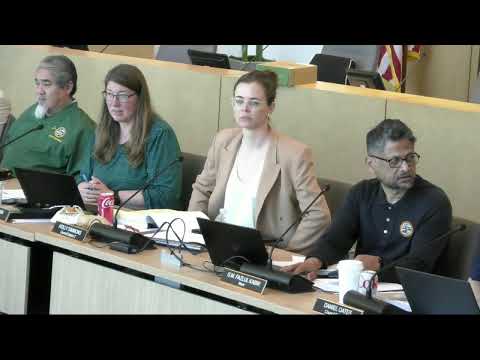
Mayor and Council of College Park convened a budget work session on April 11 to review the city manager's proposed fiscal 2027 spending plan. City Manager Kenny Young and finance staff outlined a largely balanced proposal that does not raise property tax rates — maintaining the residential rate at 335 and the commercial rate at 385 — while adding funding for several new positions and capital projects.
The proposed budget projects $1.7 million (about 5.6%) of higher general fund revenue compared with the current year, with property tax remaining the largest single source (general property tax budgeted at $16.3 million). Debt service payments total about $1.46 million; the city plans a general-fund transfer of $1.29 million combined with parking revenue to cover the balance. Personnel costs are the largest expenditure driver, reflecting wage adjustments and new staffing requests.
Young and Finance staff reviewed a set of position requests included in the draft: a full-time housing project manager to be placed in economic development, a recreation coordinator to support programming at the newly improved Duval Field, an engineering technician for public works, conversion of a halftime emergency support specialist in Youth & Family Services to a full-time position, and a part‑time bus operator for senior transportation. The housing manager was estimated at roughly $110,000 for a full year; staff said the FY27 budget currently funds a half‑year and offered cost estimates if council wished to accelerate hiring.
Council members pressed staff on several operating details: a $36,080 cost shift to the city to replace federal grant funding for the regional mass-notification system (COG); a reduced net convenience‑fee offset after lower-than-projected credit-card convenience revenues; and contingency set aside of $125,000 for unplanned events. Multiple councilors asked administration to produce a short, itemized worksheet of possible adjustments and additions so council could decide which items to carry into the formal ordinance.
What happens next: staff asked councilors to submit written adjustment requests so administration could prepare a consolidated worksheet before the ordinance is introduced. The city manager outlined the calendar for the ordinance introduction and public hearing leading up to final adoption in May. The council scheduled a follow-up work session to consider specific additions and tradeoffs.