Get Full Government Meeting Transcripts, Videos, & Alerts Forever!
Get email alerts on the Transportation topic
No spam. Unsubscribe anytime.
RIDE: Pawtucket buses run largely empty; staggered bell times could save millions
Summary
A RIDE audit found Pawtucket's fleet is underused — dozens of full-size buses carry very few students — and recommended staggered bell times, purging nonriders, route consolidation and more vans to reduce costs and improve on-time performance.
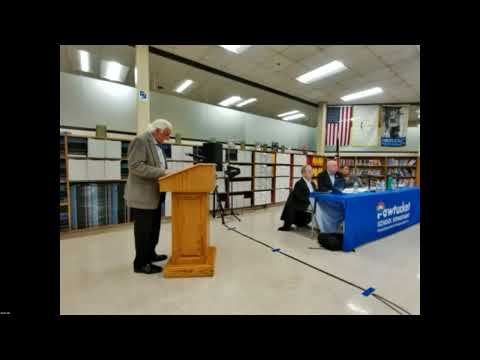
Mario Corino, chief operations officer at the Rhode Island Department of Education, told the Pawtucket School Committee that district routing and compressed bell times have produced large inefficiencies. In an in-person presentation March 24, RIDE reported 51 district buses with an average of 75% empty seats and concluded the district is operating far more vehicles than required by its current ridership pattern.
Corino said an hour-long compressed start-window (roughly 8:00—to—9:00 a.m.) leaves little time for each bus to finish a run and begin another, which prevents a typical three-tier system that would allow a single bus to serve multiple school start times. The audit found many full-size buses carrying single-digit students on routes that could legally and more cheaply run in vans.
RIDE recommended several near-term actions: stagger bell times to create two- or three-tiered runs, implement an active removal policy for nonriders (survey and purge seats not used), push for more pairing of routes to eliminate underused runs, convert single-digit runs to vans, and work with statewide providers to fill empty seats on private-school routes. Corino said the district could operate with fewer than 30 buses in a well-balanced system and that each 10 buses eliminated would save roughly $1 million annually.
Committee members asked about timelines and labor/collective-bargaining implications. Corino said timing varies by district; modest start-time shifts can be implemented quickly but larger changes require notice and community engagement. He also said RIDE is piloting statewide fills that have already reduced bus counts in other districts.
The committee did not vote on policy changes; the presentation was an informational, data-driven briefing and committee members discussed next steps for vendor simulations and potential policy changes ahead of the FY27 budget cycle.